
Snow and Ice Roof Damage Insurance Claims in Appleton, WI
Snow and Ice Dam Roof Damage Insurance Claims in Appleton, WI
Fox Valley winters put more stress on a low-slope commercial roof than any other season, and the damage isn't always obvious until a thaw pushes water through a seam that held fine all winter. Ice dam and heavy snow load claims tend to be harder to document than a single storm event, since the damage builds gradually over a freeze-thaw cycle rather than happening in one identifiable moment. We document that kind of damage as your roofing contractor, giving you and your adjuster a clear record of what happened and when.
How Ice Dams Form on Fox Valley Roofs
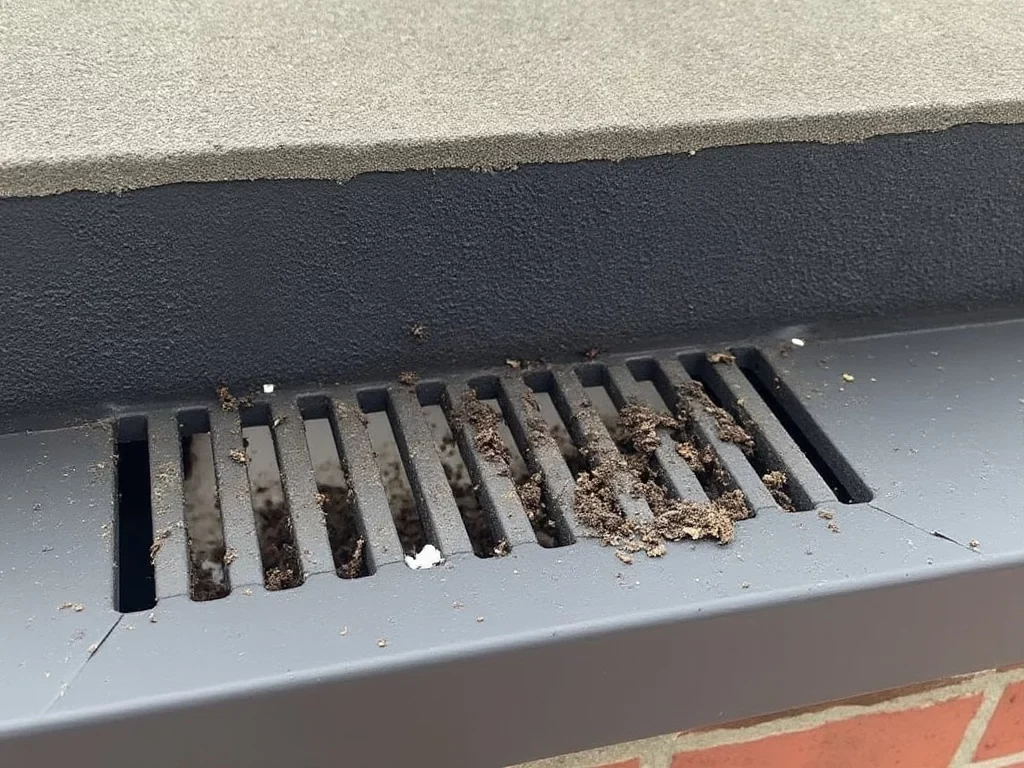
Ice dams build when heat loss from the building interior melts snow near the roof's warmer sections, and that meltwater refreezes once it reaches a colder edge or parapet, forming a ridge that backs up standing water behind it. On flat and low-slope commercial roofs common across Appleton and the surrounding Fox Cities, that backed-up water finds its way under membrane laps, flashing, and coping details that were never designed to hold standing water against them for days at a time.
Snow Load and Ponding After a Heavy Lake-Effect Event
Wet, heavy snow off Lake Winnebago and the broader Fox Valley weather pattern can load a low-slope roof well beyond a light powder snowfall of the same depth, and ponding at low spots or clogged drains adds weight the roof deck wasn't necessarily designed to hold for an extended period. We check drain condition and structural signs of overload as part of any winter storm inspection, since deck deflection from snow load is a different claim category than membrane damage from ice dam backup.
Why Ice Dam Damage Shows Up Weeks Later
The most common documentation problem with ice dam claims is timing. A dam can build over several cold weeks, then release its backed-up water during a January or February thaw, meaning the interior leak an owner reports may trace back to conditions that started well before the actual reported date. We document the roof's edge and drainage condition as soon as we're called, and we explain to owners why the timeline on an ice dam claim often looks different than a straight-line wind claim with an obvious single event.
Freeze-Thaw Cycles and Repeat Claims
Buildings that see the same ice dam pattern every winter usually have an underlying insulation or ventilation issue driving the heat loss that causes the dam, rather than bad luck with weather alone. We flag that pattern when we see it and document it separately from the current claim, since a roof that dams every year on the same section points toward a design or insulation fix that a single repair claim won't solve on its own.
- Edge, flashing, and drain inspection for ice dam backup damage
- Interior leak tracing back to likely dam location and timeline
- Snow load and ponding assessment on flat and low-slope sections
- Photo and moisture documentation dated to the reported event
- Separate flagging of recurring ice dam patterns tied to insulation issues
- Written scope covering both the current repair and any drainage correction needed
Coordinating Winter Inspections With Your Adjuster
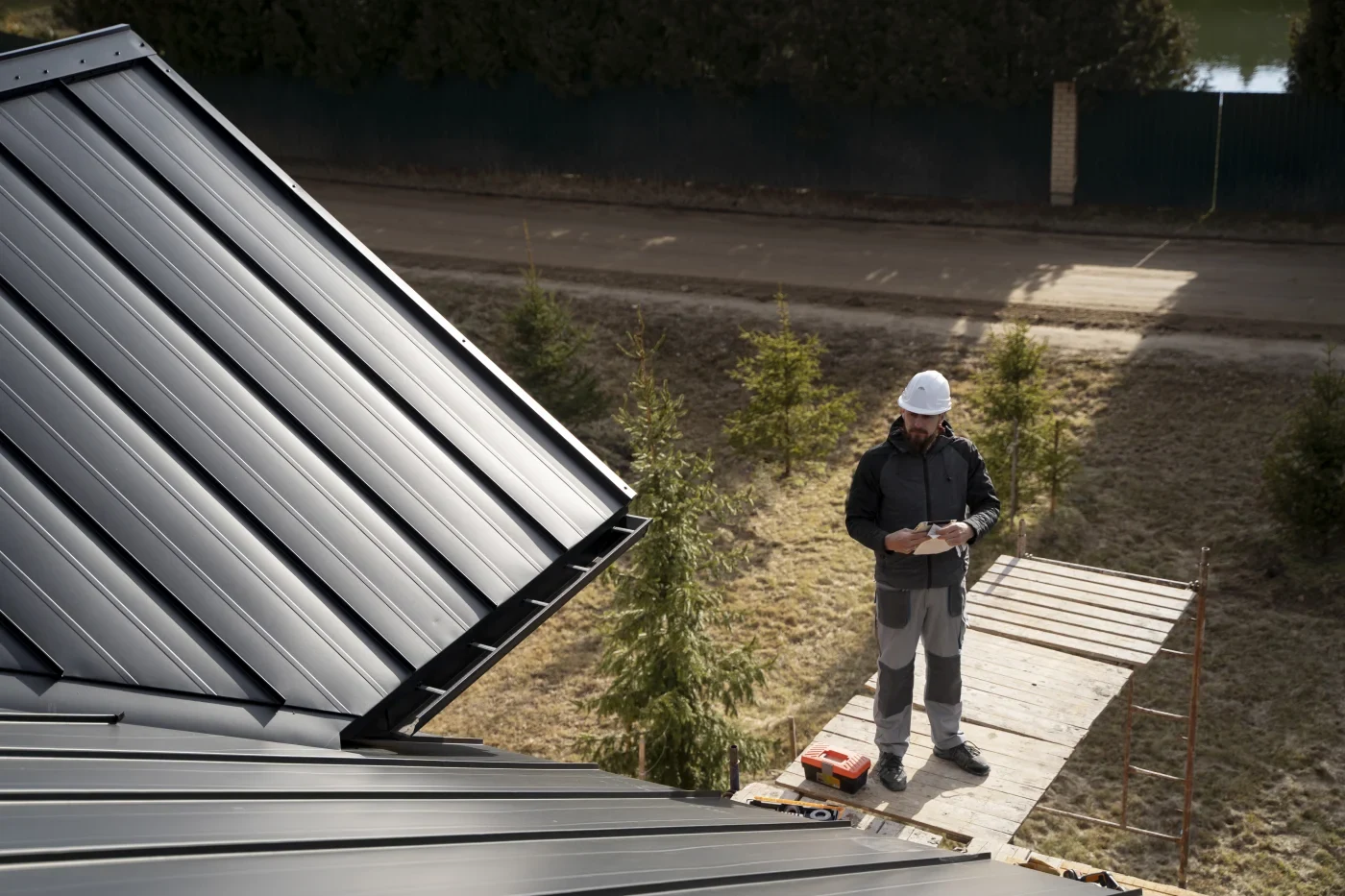
Winter roof inspections come with their own scheduling challenges, since snow cover can hide the exact damage location until it's cleared and a return visit after a partial thaw sometimes shows more than the first look did. We coordinate timing with your adjuster around these conditions rather than pushing for a single rushed visit, and we're glad to walk the roof directly with them once conditions allow safe access to the affected areas.
Older Roofs and Repeat Winter Claims
Fox Cities buildings with roofs from the 1980s and 1990s, common on older industrial and warehouse stock near the river corridor, often show cumulative ice dam stress across several winters rather than damage from any single season. On these older roofs, we document the current event alongside the visible history of prior ice dam repairs, patch work, and recover sections, since that history affects both the claim conversation and the honest repair-versus-replacement recommendation we give the owner.
We're your roofing contractor, not a public adjuster , we inspect, document, and substantiate the roof damage so you and your adjuster work from an accurate, complete scope.
Related
Ready to review the roof scope?
Request a Roof AssessmentRelated
Ready to review the roof scope?
Request a Roof AssessmentRecording Ice and Snow Damage Before Spring Hides It
Winter damage can change quickly once temperatures rise. We document displaced flashings, overloaded or deformed components, blocked drains, ice-related punctures, interior staining, and temporary work while the evidence is still clear and access is safe. Photographs are tied to roof areas and interior locations so melting water paths are not confused with the point where moisture first appeared below. The repair scope then separates drainage corrections, membrane or flashing work, wet-insulation investigation, and structural review when needed. For Fox Valley owners, that creates a usable record for the carrier and for spring construction planning without turning a roofing inspection into a promise about coverage.