
Commercial Roof Coatings in Appleton
Acrylic Elastomeric Coating for Well-Draining Fox Valley Roofs
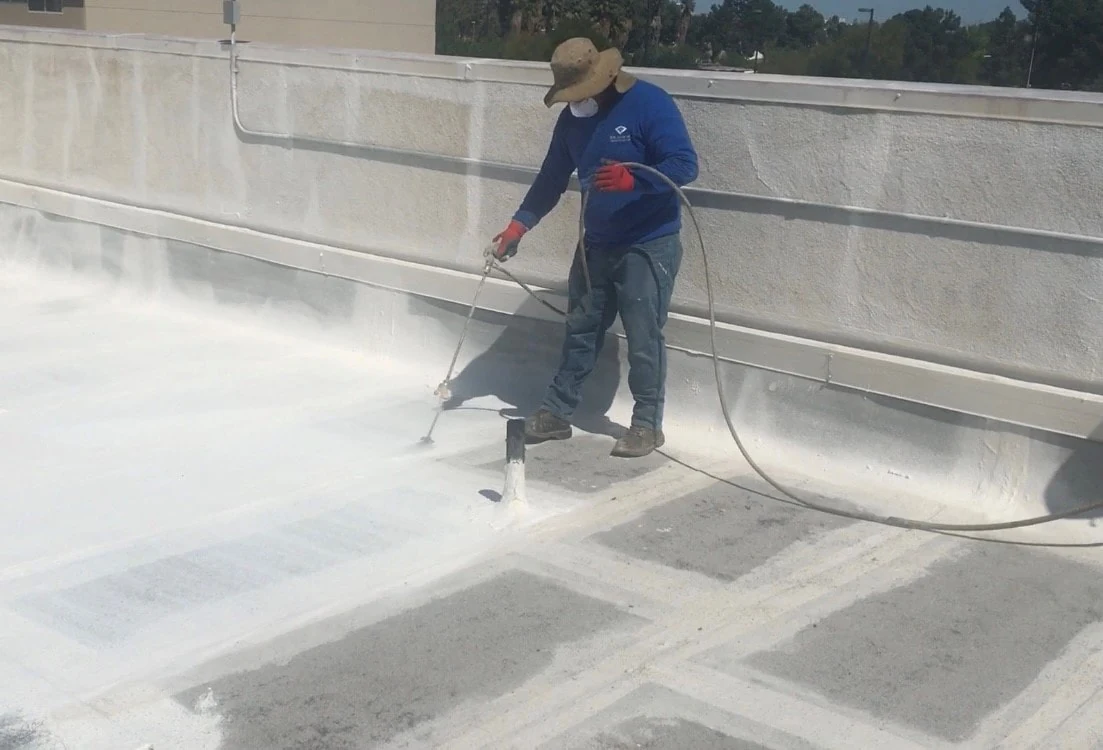
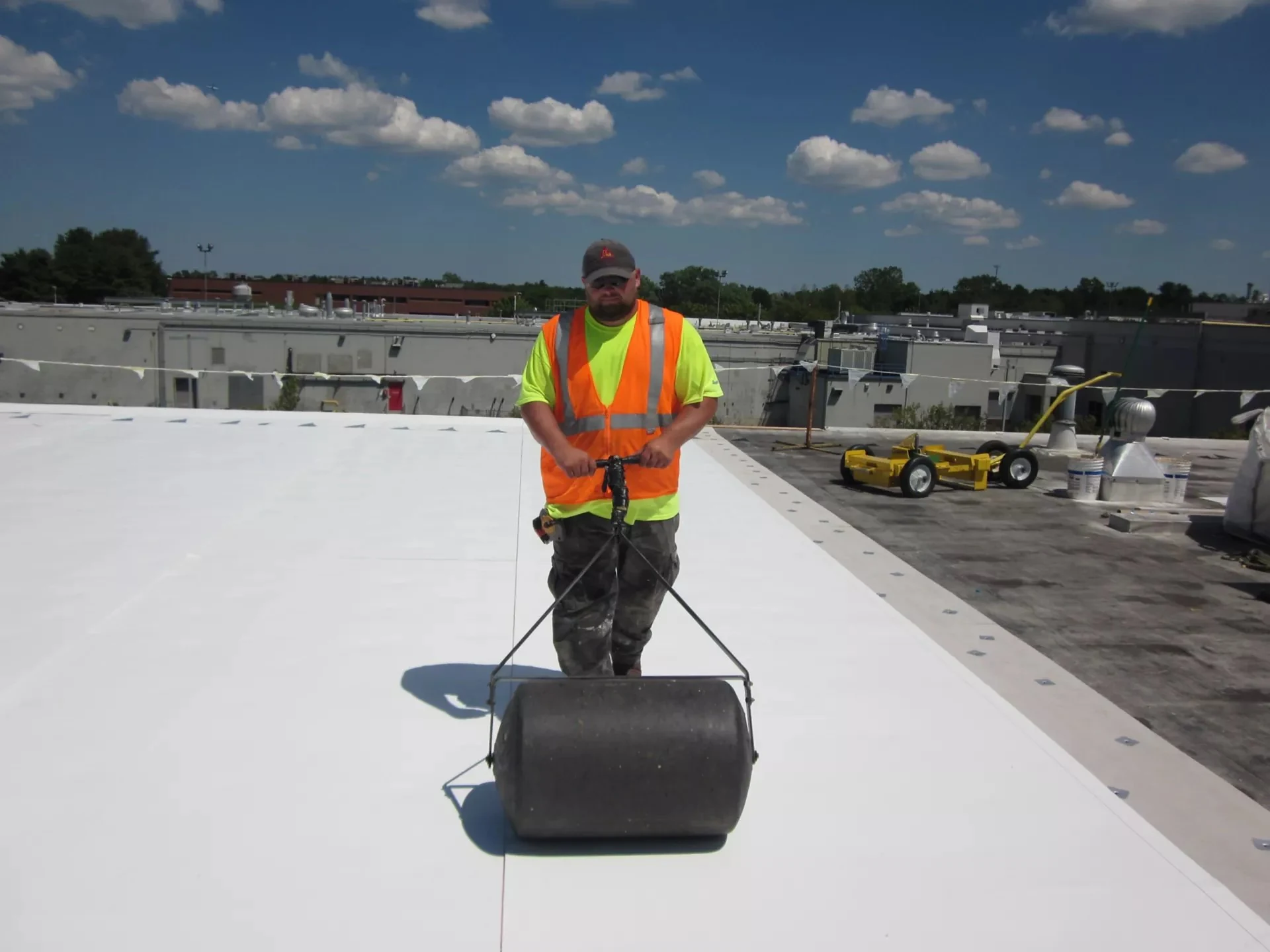
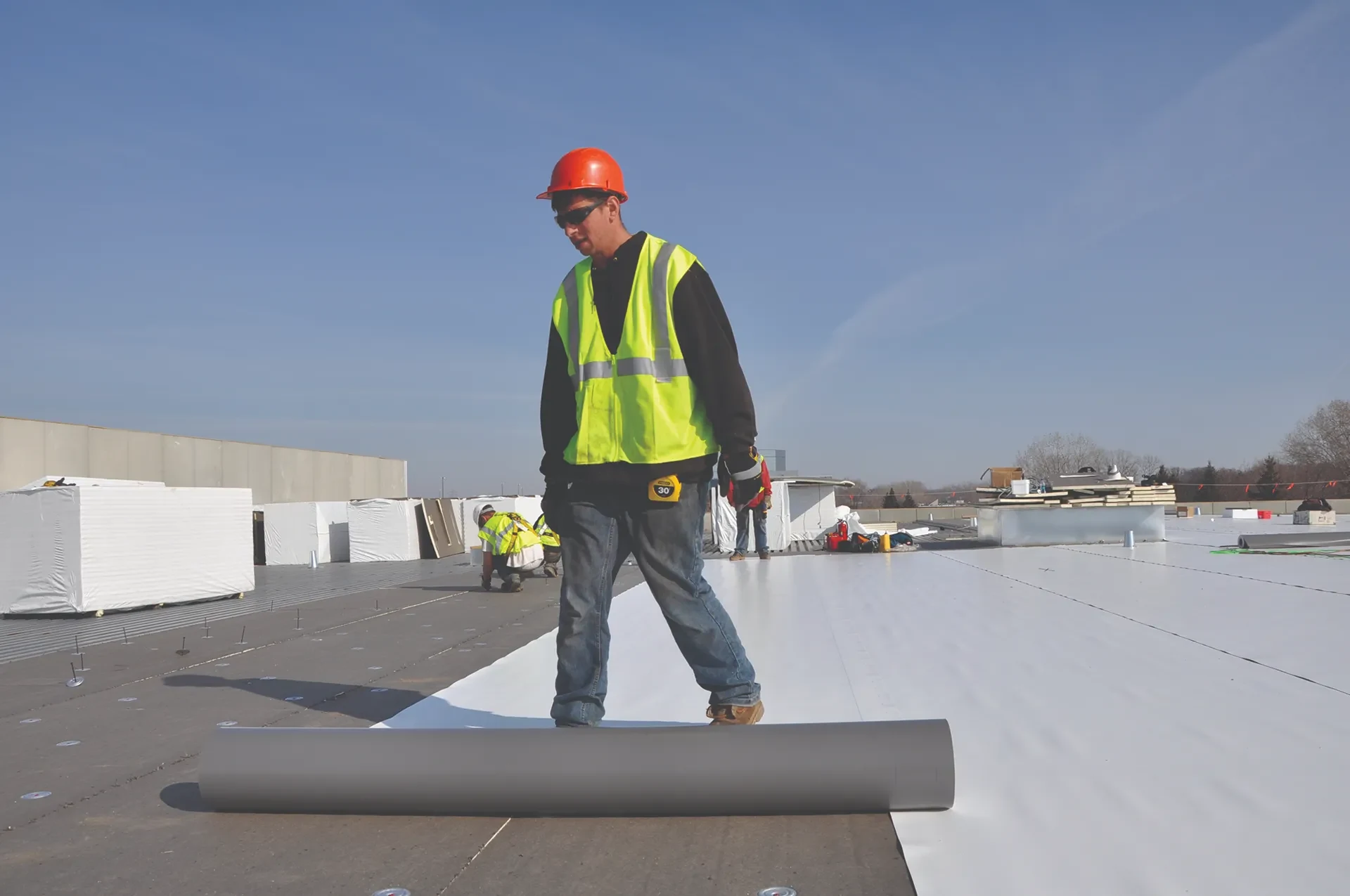
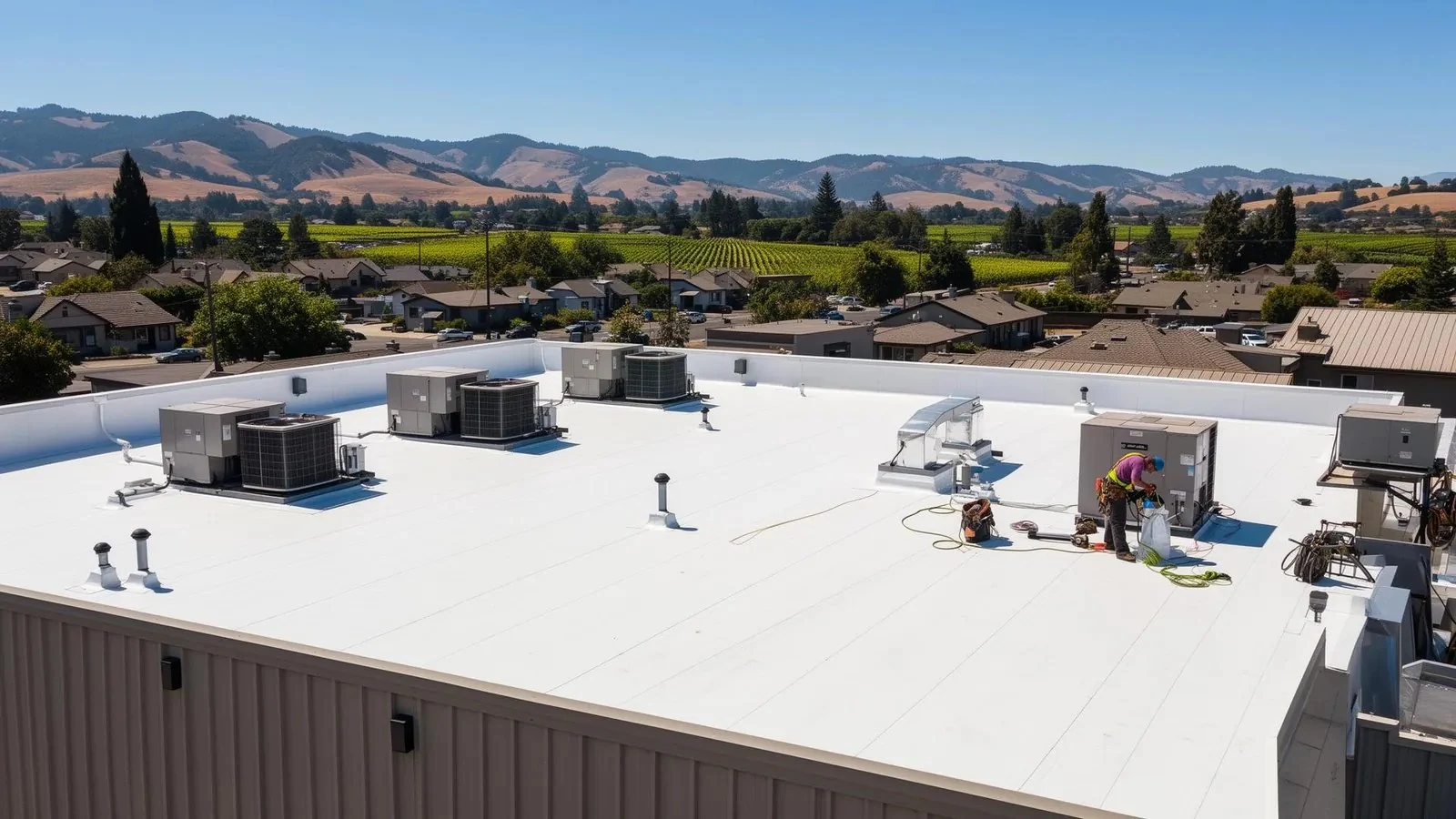
A coating recommendation starts with adhesion, moisture, drainage, membrane condition, detail preparation, and warranty eligibility,not every existing roof is a restoration candidate. Acrylic coating is the budget-conscious option we bring to a lot of the rural light-industrial and ag buildings around Omro, Winneconne, and the townships past Hortonville, roofs that drain well but have lost their factory finish to years of sun and weather. It costs less than silicone per square, and on a roof without ponding water, that lower cost doesn't come with a real performance tradeoff.
Where Acrylic Coating Fits Compared to Silicone
The deciding factor between acrylic and silicone is almost always ponding water. Acrylic coatings soften and eventually break down under water that sits for more than a day or two, so we won't spec it on a roof with a known low spot or an undersized drain. On a metal roof that sheds water quickly, or a low-slope membrane that drains fully within a normal rain event, acrylic performs well and saves the owner real money over silicone.
We also look at how the roof will be used going forward. Acrylic handles UV exposure and light foot traffic fine, but on a roof that sees frequent mechanical service traffic, the added durability of silicone or a full membrane recover is usually worth the extra cost.
Recoating Aging Metal Roofs Across the Rural Fox Valley
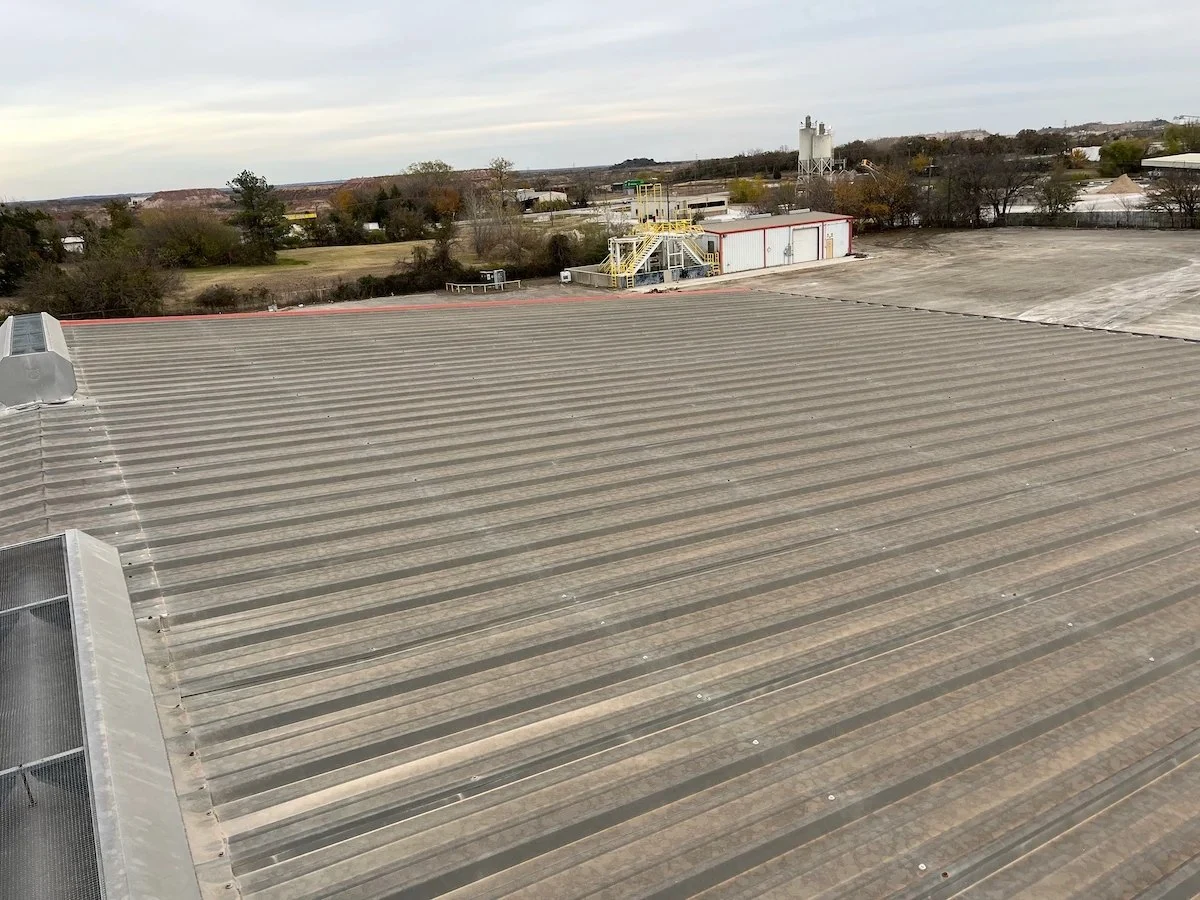
Most of the acrylic work we do is on exposed-fastener R-panel and older painted standing seam roofs on ag service buildings, small manufacturing shops, and rural retail structures in Seymour, Black Creek, and Chilton. Factory paint finishes chalk and fade after fifteen or twenty years of sun exposure, and an acrylic recoat restores both the reflective surface and a fresh weather barrier without the cost of a full panel replacement.
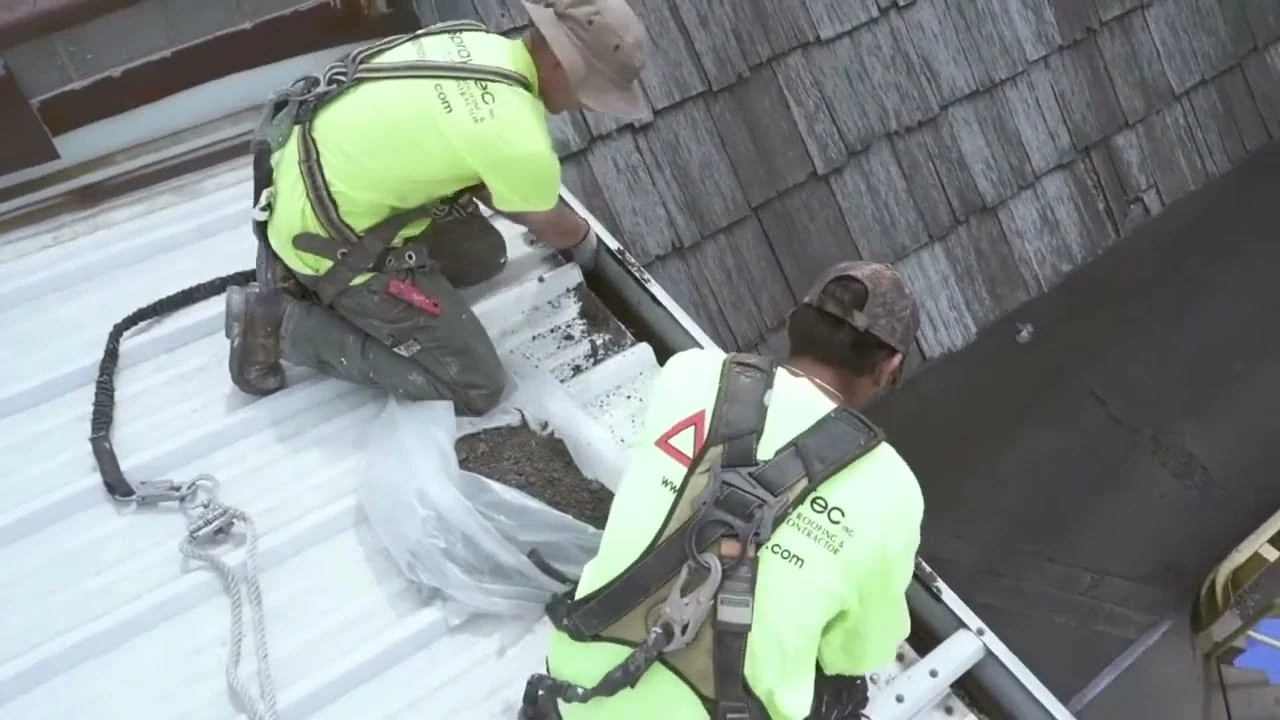
Rust spotting at fastener heads and panel seams gets addressed before coating goes on, not painted over. A coating applied directly over active rust just traps moisture against the metal and accelerates the problem underneath a fresh-looking surface.
Application Weather Windows and Cure Time
Acrylic coating needs a dry surface and a stretch of dry weather to cure properly, which around here usually means scheduling application windows carefully rather than reacting to whatever week has an opening. Fox Valley spring and fall weather can turn quickly, and a coating that gets rained on before it's cured won't bond the way it's supposed to, so we watch the forecast closely and won't start a coating job into a questionable window just to hit a schedule.
Temperature matters too. Acrylic won't cure properly in cold conditions, which narrows the practical application season here to a spring-through-fall window rather than year-round work the way membrane repair sometimes can be.
Surface Prep on Chalking or Rusted Metal Panels
Chalking paint has to be washed off completely before coating, since a coating applied over loose chalk residue will delaminate within a season regardless of how good the material itself is. We pressure wash, spot-treat rust with a rust-inhibiting primer, and re-fasten any loose screws before coating goes down.
- Pressure washing to remove chalking and surface contamination
- Rust spot treatment and primer at fastener heads
- Fastener re-torque or replacement where backed out
- Seam and lap inspection before coating application
- Test patch application to confirm bond on older paint systems
Coating Limitations on Ponding or Heavy Foot Traffic Areas
We're upfront when a roof isn't a good acrylic candidate. A metal roof with a valley that collects water, or a low-slope section near a mechanical unit that gets walked on daily, wears through an acrylic coating faster than the cost savings justify. In those cases we'll usually recommend silicone for the ponding-prone areas and acrylic for the rest of the field, rather than one coating type across a roof with mixed conditions.
Color and Reflectivity on Ag and Light-Industrial Roofs
White is the most reflective option and the one we recommend for cooling load, but plenty of ag buildings and rural shops go with a tan, gray, or green finish to match existing farm structures or blend with a wooded property line near Fremont or Shiocton. Reflectivity drops with darker colors, though a fresh coat in any color still outperforms bare chalked metal for reflecting heat and shedding UV damage.
We walk owners through the tradeoff rather than defaulting to white on every job, since a rural pole barn roof visible from a county highway often has aesthetic considerations that a downtown commercial roof doesn't.
Acrylic Coating Questions From Rural Fox Valley Owners
Is acrylic coating a good fit for our pole barn roof?
If the roof drains well and doesn't see heavy foot traffic, yes. We'd check for ponding areas and fastener condition first before confirming it's the right coating for that specific building.
How long does acrylic coating last on a metal roof here?
Ten to twelve years is typical before a recoat is needed, depending on sun exposure and how well the surface was prepped before the original application.
Can acrylic coating be applied over an existing coating?
In most cases yes, as long as the existing coating is well-adhered and not chalking excessively. We test adhesion on a small area before committing to a full recoat over prior coating.
Why would you recommend silicone instead of acrylic for part of our roof?
If a section holds water for more than a day or two after rain, acrylic will break down there faster than the rest of the roof, so we'll spec silicone for that area specifically rather than compromise the whole coating.
What's the minimum temperature for applying acrylic coating?
We need daytime temperatures well above freezing with no rain in the forecast for the cure window, which is why acrylic work here is scheduled spring through fall rather than during winter months.