Commercial Roof Insurance Claims in Appleton, WI
Commercial Roof Insurance Claim Assistance in Appleton, WI
A commercial roof insurance claim is only as strong as the documentation behind it. Adjusters work from what they can see, measure, and verify on site, and a claim built on a vague description of "storm damage" gives them far less to work with than a dated, photographed, measured record tied to a specific event. We support Fox Valley property owners through that documentation process as their roofing contractor, building the factual record and complete repair scope that a claim needs to move forward accurately.
What a Commercial Roof Claim Actually Requires
Most commercial property policies require proof that damage occurred, that it happened within the covered event window, and that the claimed repair scope matches what was actually damaged. That means an inspection close to the storm date, photos that show both the damage and its location on the roof plan, and a written scope broken down by roof area and material rather than a single lump-sum number. We build claim documentation around those three requirements from the first site visit.
Damage Documentation an Adjuster Can Actually Use
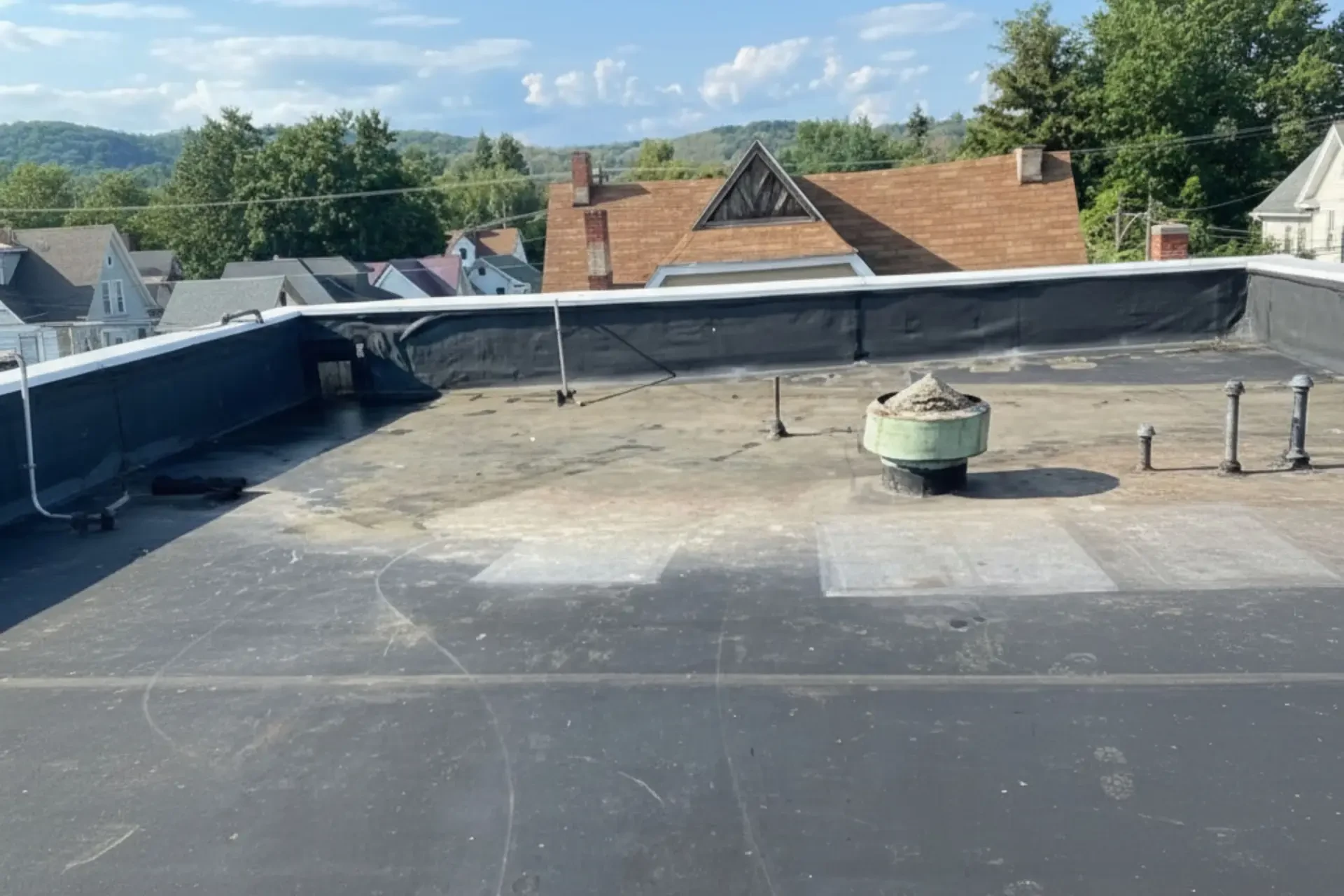
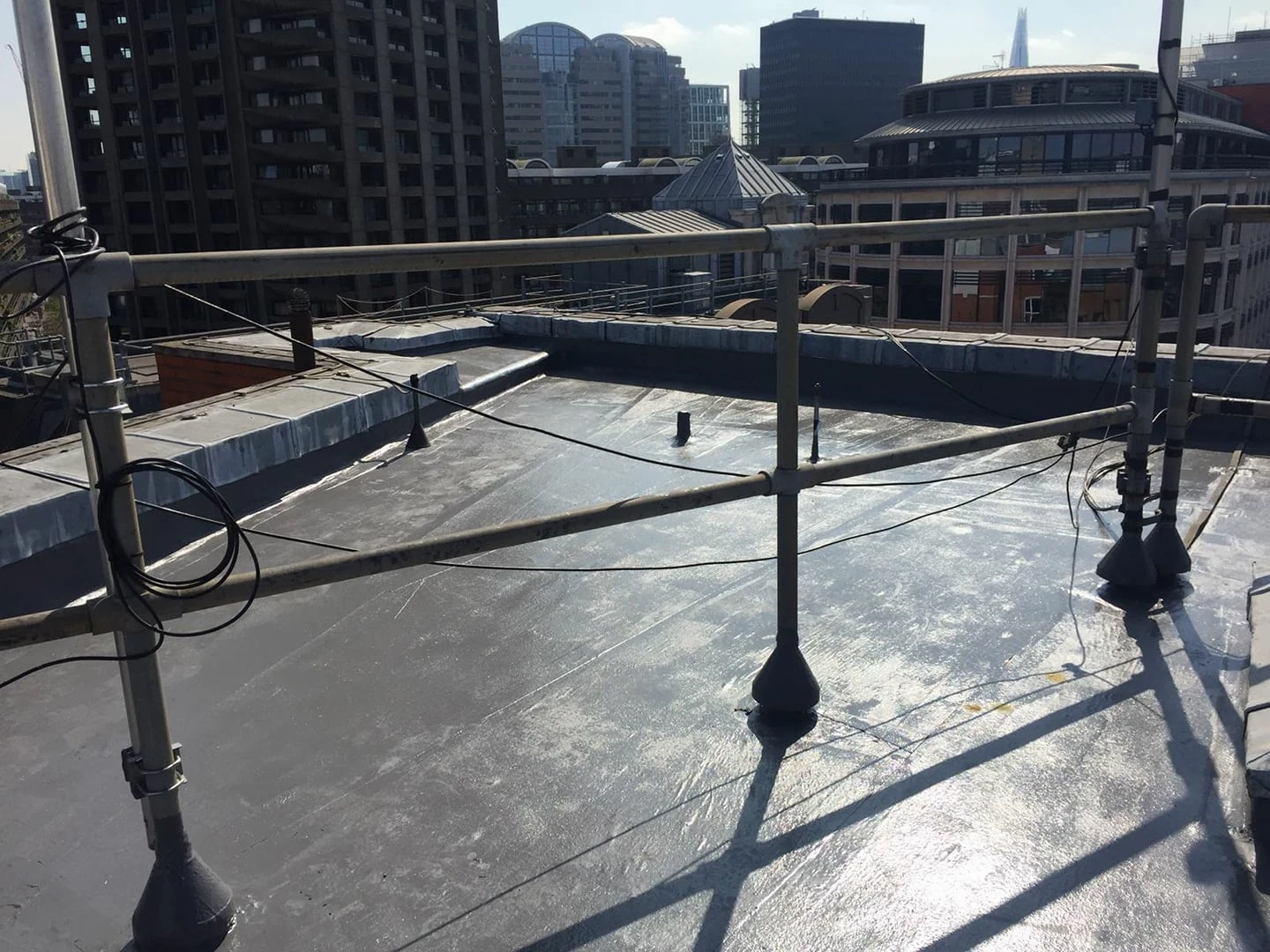
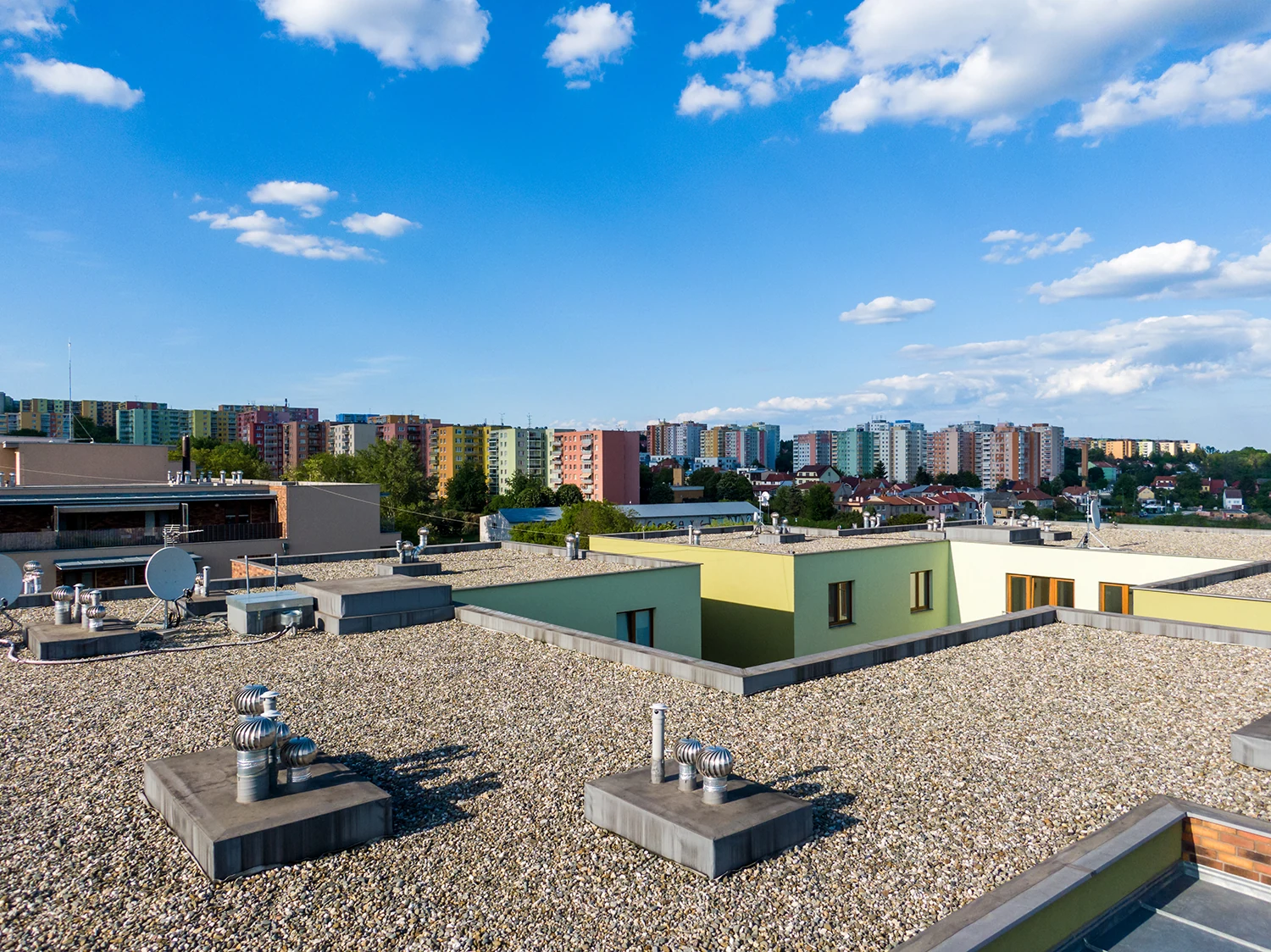
Photographs alone often undersell roof damage, since flat membrane and low-slope systems don't photograph the way a cracked window or dented siding panel does. We pair photo documentation with moisture readings, test cuts where appropriate, and measured sketches of affected areas, so the record shows extent as well as appearance. On buildings with mixed roof ages, common across the Fox Cities on properties near the paper mills along the Fox River that have been recovered or expanded in sections over the decades, we also document which roof section is which, since claims involving multiple roof generations get scrutinized more closely.
Meeting the Adjuster on the Roof
We walk the roof with your adjuster when requested, pointing out uplift zones, membrane conditions, and drainage issues in the same technical language an adjuster's own inspection would use. Having someone who inspects commercial roofs regularly present during that walkthrough tends to produce a more accurate on-site conversation than an adjuster working alone against a homeowner's-eye description of the damage.
Building a Complete Scope, Not a Minimum Scope
Roof damage claims commonly get scoped too narrowly, covering only the visibly damaged section while skipping code-required upgrades, matching material for adjacent undamaged areas, or drainage work that a partial repair would otherwise leave unresolved. We itemize the full scope a proper repair actually requires, including any code or ordinance items your local jurisdiction would require on a permitted reroof, so the claim reflects the complete job rather than a patch that creates a mismatched roof or a future callback.
- Dated, located photo and moisture documentation from the first site visit
- Written damage assessment separating storm-caused damage from prior wear
- Full itemized repair scope by roof area and material
- Code and ordinance upgrade items identified where they apply
- On-site meeting with your adjuster when requested
- Supplemental documentation if additional damage is found once repairs begin
When a Claim Comes Back Denied or Underpaid
A denial or a scope that pays for repair when the roof actually needs replacement is often the result of an initial inspection that missed something, not necessarily bad faith on either side. We can walk a denied or underpaid claim, document what may have been missed the first time, such as wet insulation beyond the visible entry point or damage on a section of roof that wasn't fully accessed during the first inspection, and provide that additional documentation for your adjuster or broker to reconsider. We don't negotiate the claim decision itself, since that sits with your carrier, but we can make sure the roof-condition record they're working from is complete.
Repair Versus Replacement Decisions
Storm damage on a roof already near the end of its service life sometimes tips the decision toward full replacement, particularly on buildings around Grand Chute or Kaukauna where older built-up or modified bitumen systems are reaching 20 or more years of age. We give an honest comparison of remaining roof life against repair cost as part of the documentation package, so the scope decision is based on the roof's actual condition rather than defaulting to the smallest possible repair.
We're your roofing contractor, not a public adjuster , we inspect, document, and substantiate the roof damage so you and your adjuster work from an accurate, complete scope.
Related
Ready to review the roof scope?
Request a Roof AssessmentRelated
Ready to review the roof scope?
Request a Roof AssessmentKeeping the Roof Scope Separate From the Coverage Decision
Our job in a claim-related roof project is to describe physical conditions, document storm-related damage, stabilize active leaks, and price a buildable repair or replacement scope. Coverage interpretation and settlement decisions remain with the owner, carrier, and their authorized representatives. We date photographs, locate damage by roof section, distinguish temporary work from permanent repair, and note pre-existing wear when it is visible. That separation matters on Appleton roofs where wind, hail, ice, and age may affect the same assembly in different ways. A clear record lets everyone discuss the same membrane areas, edge details, insulation concerns, and quantities without turning roofing observations into promises about the claim result.