
Standing Seam Metal Roofing in Appleton, WI
Standing Seam Panel Systems Built for Fox Valley Snow Load
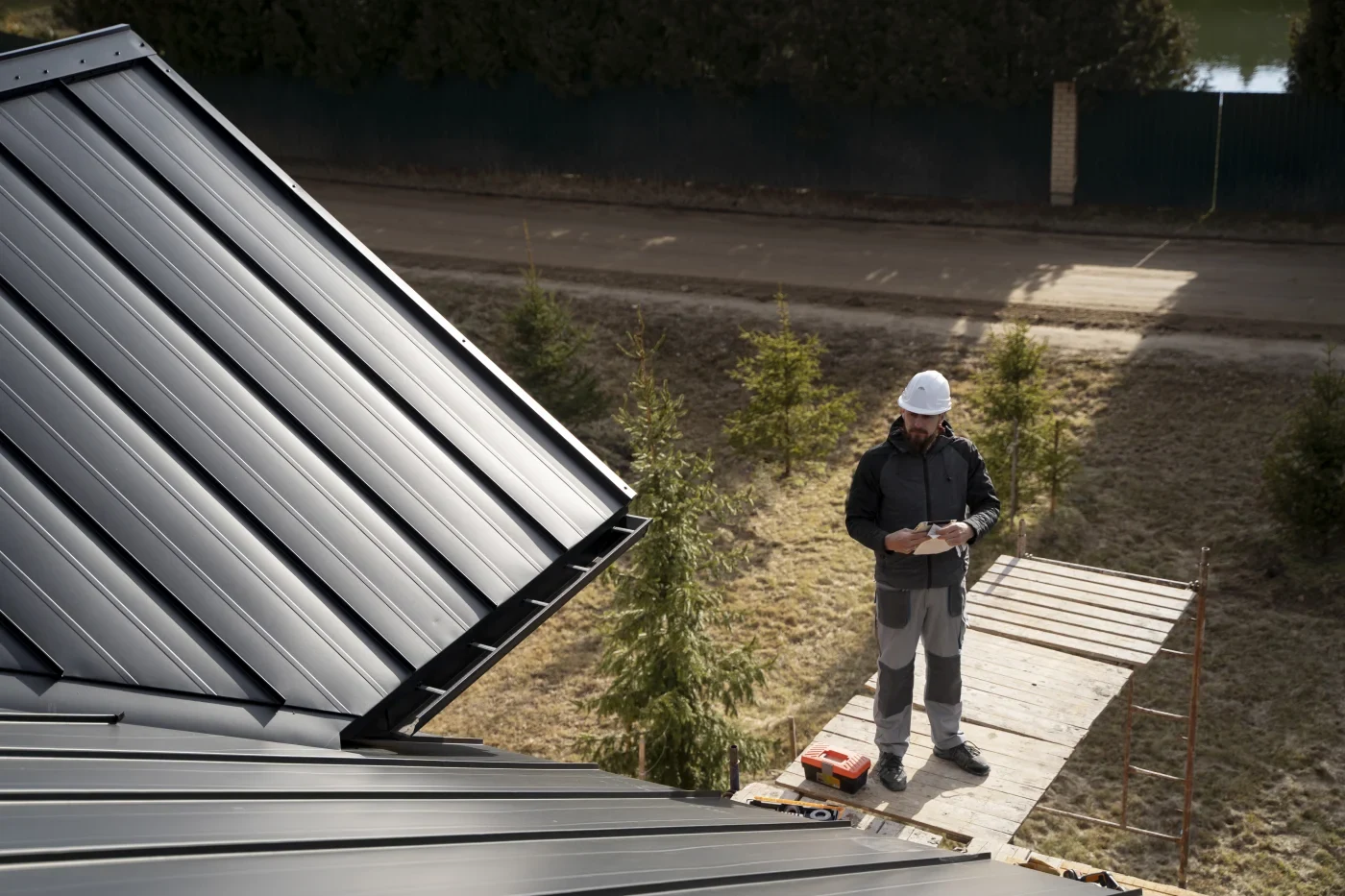
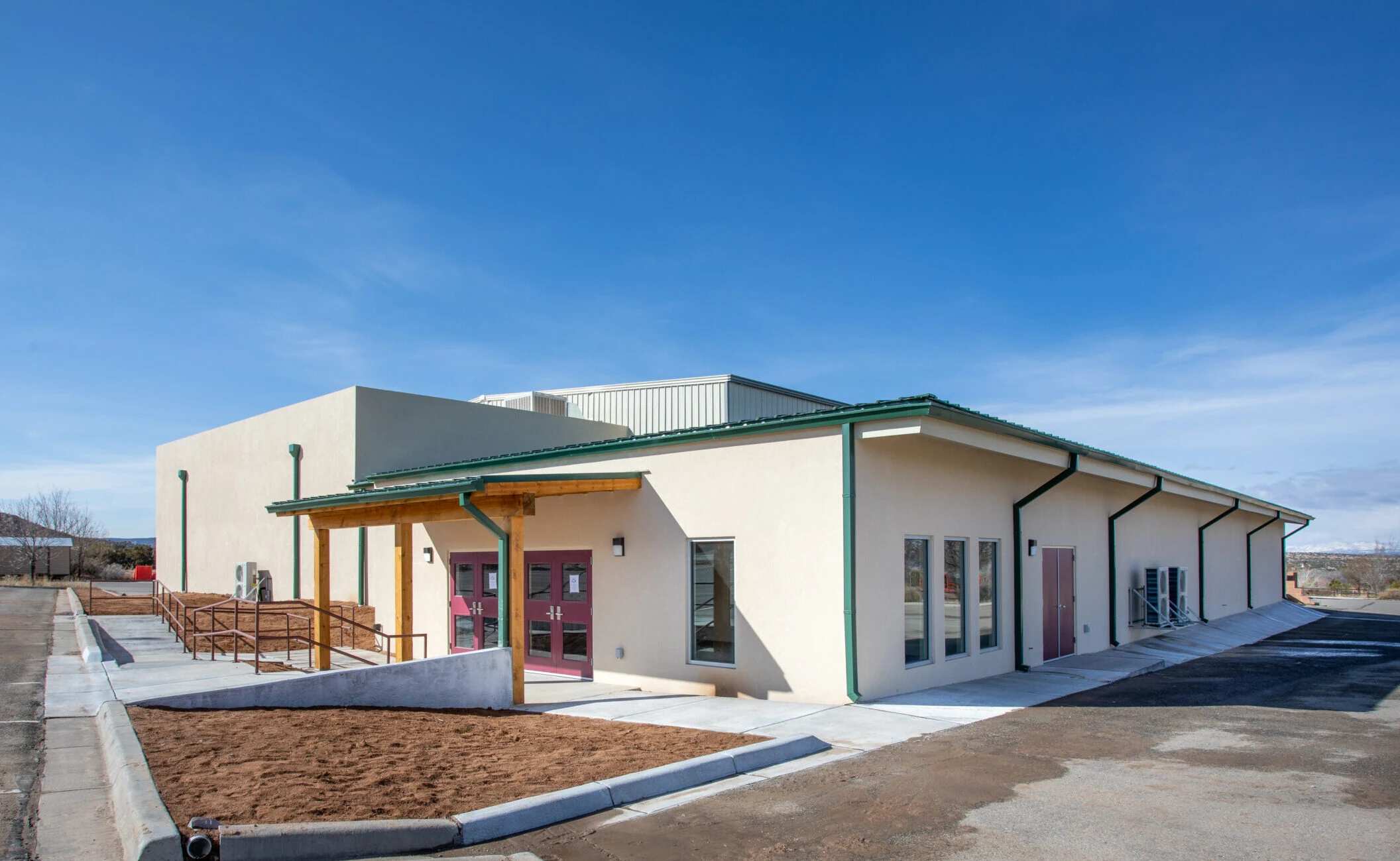
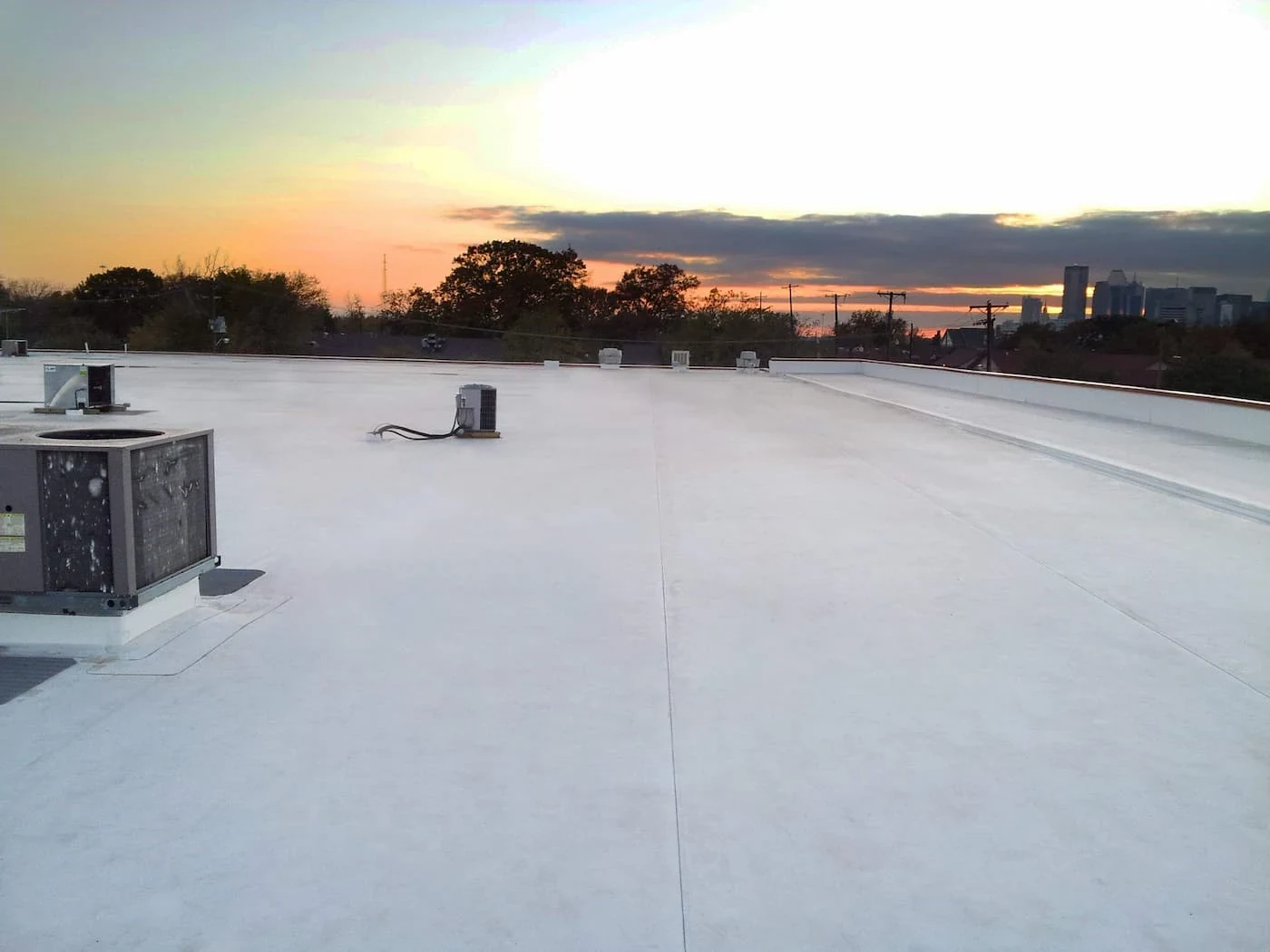
Standing seam shows up most on the buildings around here that need a roof edge people actually see, entries and canopies at hotels near Fox River Mall, mansard accents on schools, sloped sections over medical office lobbies. Concealed fasteners and clean vertical seams are worth the added material cost on those applications, and the panel system handles snow and ice differently than the low-slope membranes we install on flat industrial roofs.
Concealed-Fastener Panels and Thermal Movement
Standing seam panels attach through hidden clips rather than exposed screws through the panel face, which is what keeps the seams watertight without sealant relying on gasket compression over time. The clips also allow the panel to expand and contract with temperature swings without tearing loose, which matters here given how much a metal roof surface moves between a January cold snap and a July afternoon.
Floating clip systems let panels slide slightly as they expand, while fixed clips anchor the panel at a set point and let movement happen away from that anchor. We choose clip spacing and type based on panel run length, since a long uninterrupted run needs more room to move than a short section broken up by dormers or ridge transitions.
Snow Retention Systems for Fox Valley Winters
A steep-slope metal roof without snow retention will shed a full winter's accumulated snow load in one event, and on a building with an entry, walkway, or parking area below that's a real hazard, not a hypothetical one. We see this most on hotel canopies near the Fox River Mall corridor in Grand Chute and on school buildings with covered entries where kids and staff walk directly under a metal roof edge.
- Pad-style snow guards for moderate slope and snow load
- Fence-style snow rail systems for steeper pitches
- Zoned retention layouts concentrated over entries and walkways
- Clip-mounted systems matched to panel seam spacing
- Heat cable at valleys and gutter transitions where ice damming is common
Snow guard layout isn't uniform across a roof. We concentrate retention density directly above doors, walkways, and parking, and can run lighter coverage over sections that drain onto open ground where a slide isn't a safety issue.
Panel Gauge, Seam Height, and Wind Uplift Ratings
Panel gauge and seam height both factor into how a standing seam roof performs against wind uplift, which matters on open, exposed sites like buildings near Appleton International Airport in Greenville or along the more exposed stretches of US-41. A taller seam profile with a heavier gauge panel handles higher uplift pressure, but it also costs more, so we size panel spec to the actual exposure category rather than defaulting to the heaviest option on every job.
Finish matters too, particularly on buildings with visible roof sections. Kynar-based paint finishes hold color and chalk resistance far longer than standard polyester coatings under sustained UV exposure, which is worth the upcharge on anything facing College Avenue or other high-visibility frontage downtown.
Where Standing Seam Fits Best Around the Fox Cities
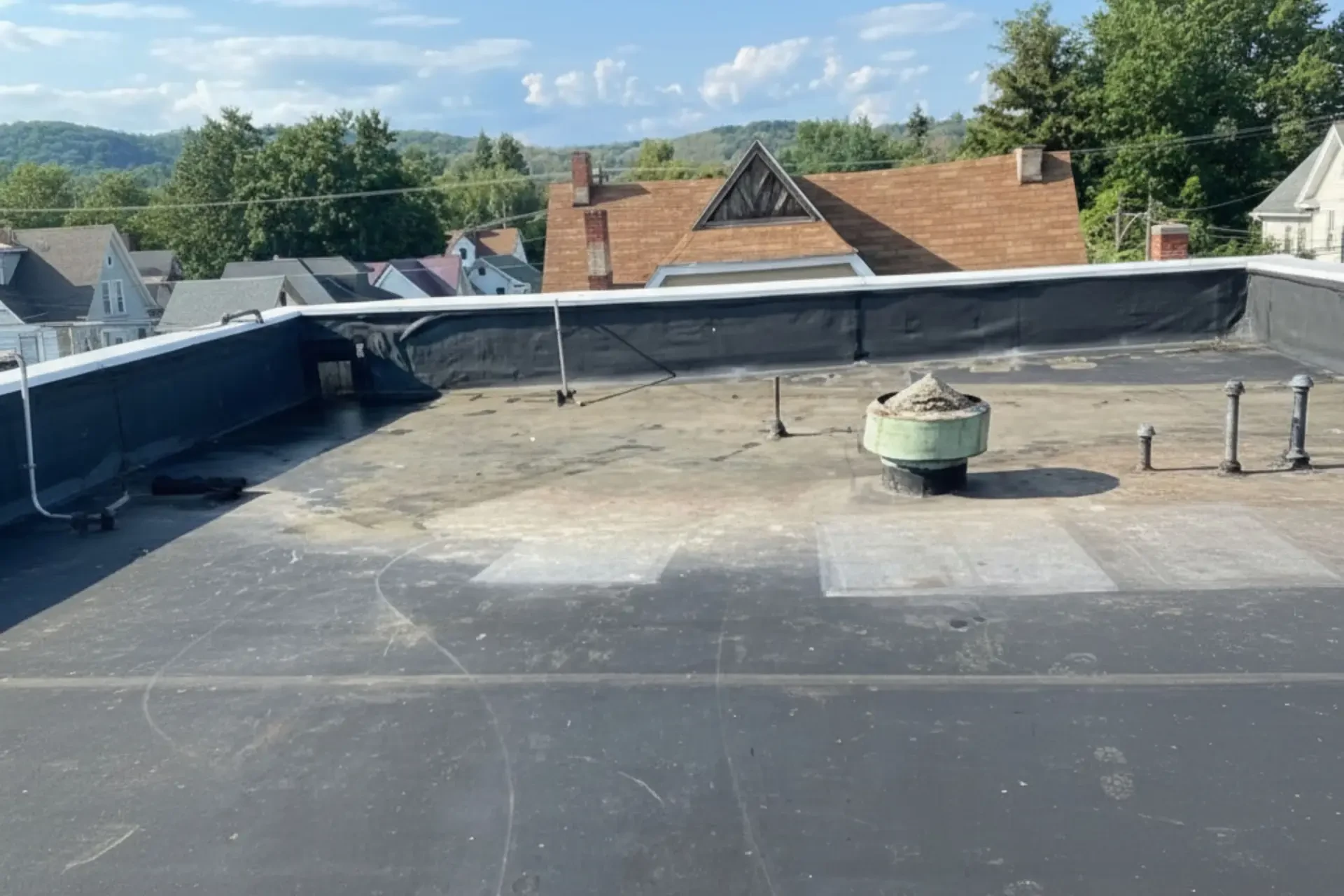
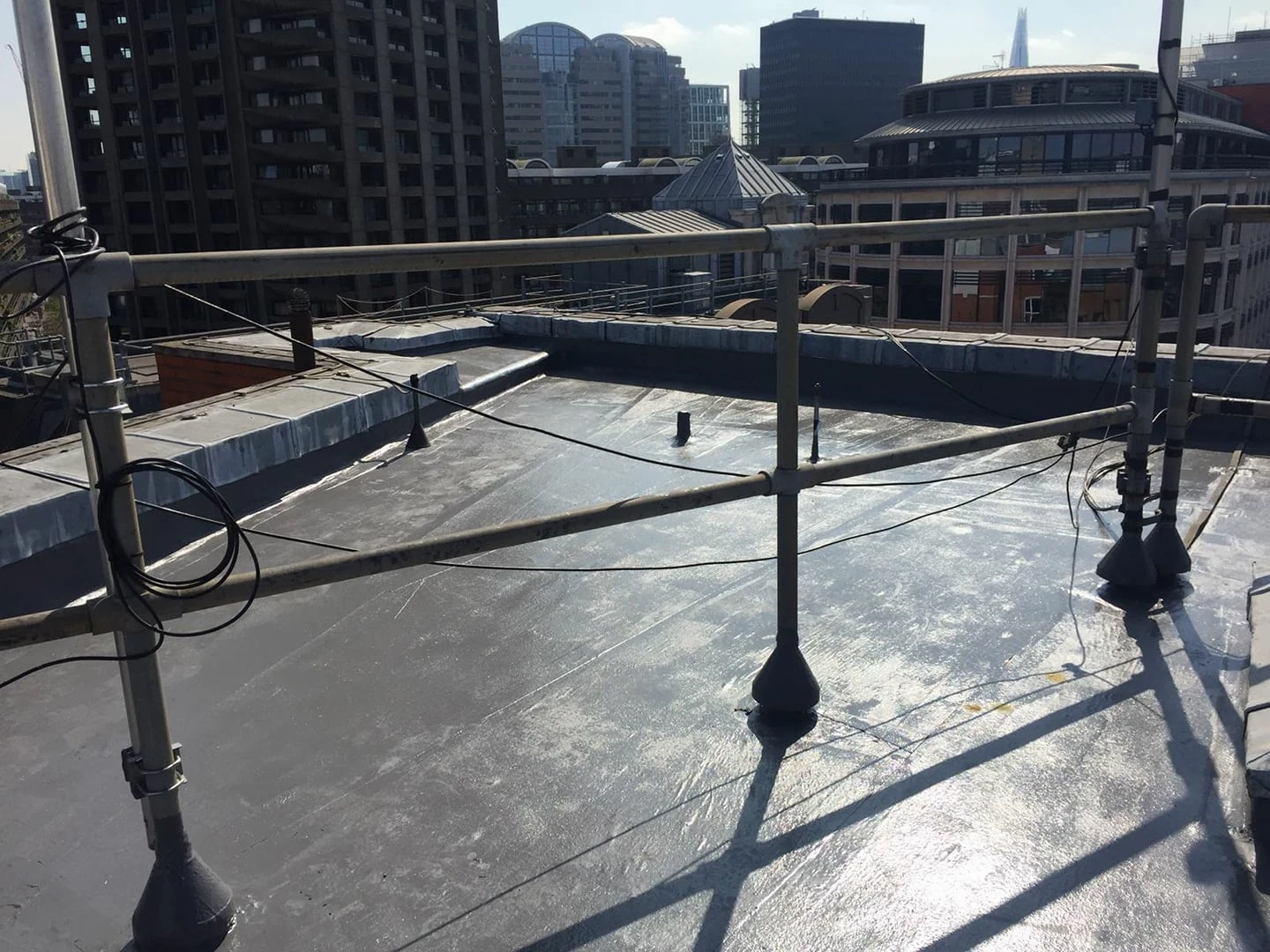
We install standing seam most often on hotel and hospitality canopies, medical office building entries, school mansards and covered walkways, and architectural accents on multi-tenant retail. It's rarely the right choice for a large flat industrial roof, where a low-slope membrane makes more sense both structurally and on cost. Owners considering a roof over an occupied lobby or entry space should also look at our drainage detailing for how sloped and low-slope sections tie together on mixed-roof buildings.
Underlayment and Substrate Considerations Over Metal or Wood Deck
What goes under the panel matters as much as the panel itself. Self-adhered high-temperature underlayment at eaves and valleys protects against ice damming, while synthetic underlayment across the field handles the rest of the roof. On wood deck buildings, we check for rot and proper ventilation before installing over it, since trapped moisture under a metal roof causes deck failure that isn't visible until the panel comes back off.
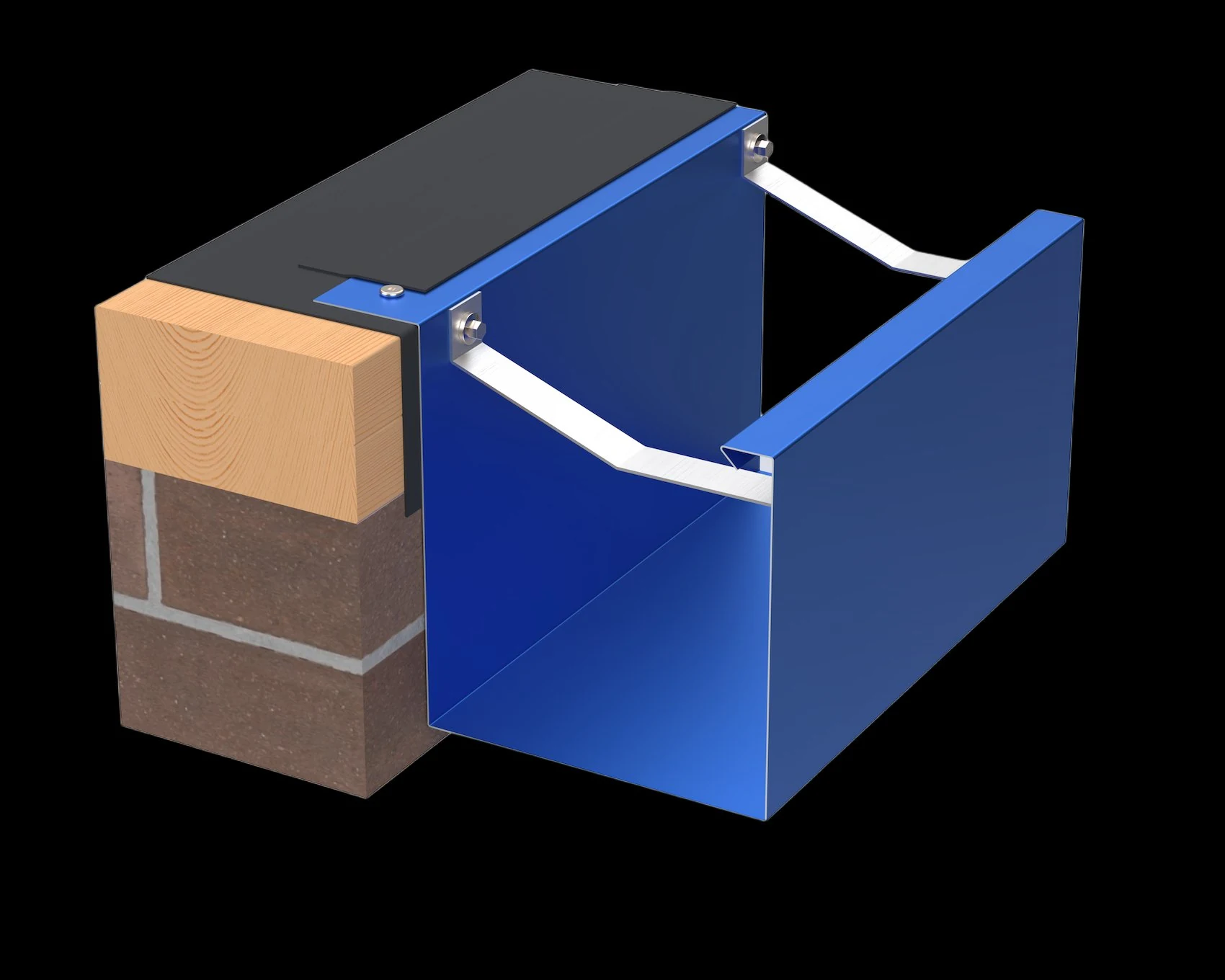
Insulated metal panel wall assemblies sometimes get paired with a standing seam roof transition at the parapet, and getting that transition detail right is where a lot of leaks originate on buildings that otherwise look well built.
Standing Seam Questions From Fox Valley Property Owners
How does standing seam handle heavy Fox Valley snow load compared to shingles?
The steep pitch and slick panel surface shed snow faster than shingles, which is good for the roof but means snow retention becomes more important below, not less. We spec retention based on the roof's exposure and what's underneath it.
Can standing seam go over an existing metal roof?
Sometimes, if the substrate is structurally sound and the existing panel profile allows for it, but we evaluate that case by case rather than assuming a recover works on every job.
What causes oil-canning on standing seam panels?
Thin gauge material, wide flat panel spans without striations, and improper clip spacing all contribute. We spec panel width and gauge to minimize it, particularly on longer visible runs.
Do you install snow guards on existing roofs, or only new installations?
We retrofit snow retention on existing standing seam roofs regularly, especially after an owner has a near-miss incident with a snow slide over an entry or walkway.
How long does a standing seam roof typically last here?
Forty years or more is realistic for a properly installed system with a quality finish, assuming fastener clips and sealant at penetrations get checked periodically rather than ignored until a leak shows up.