
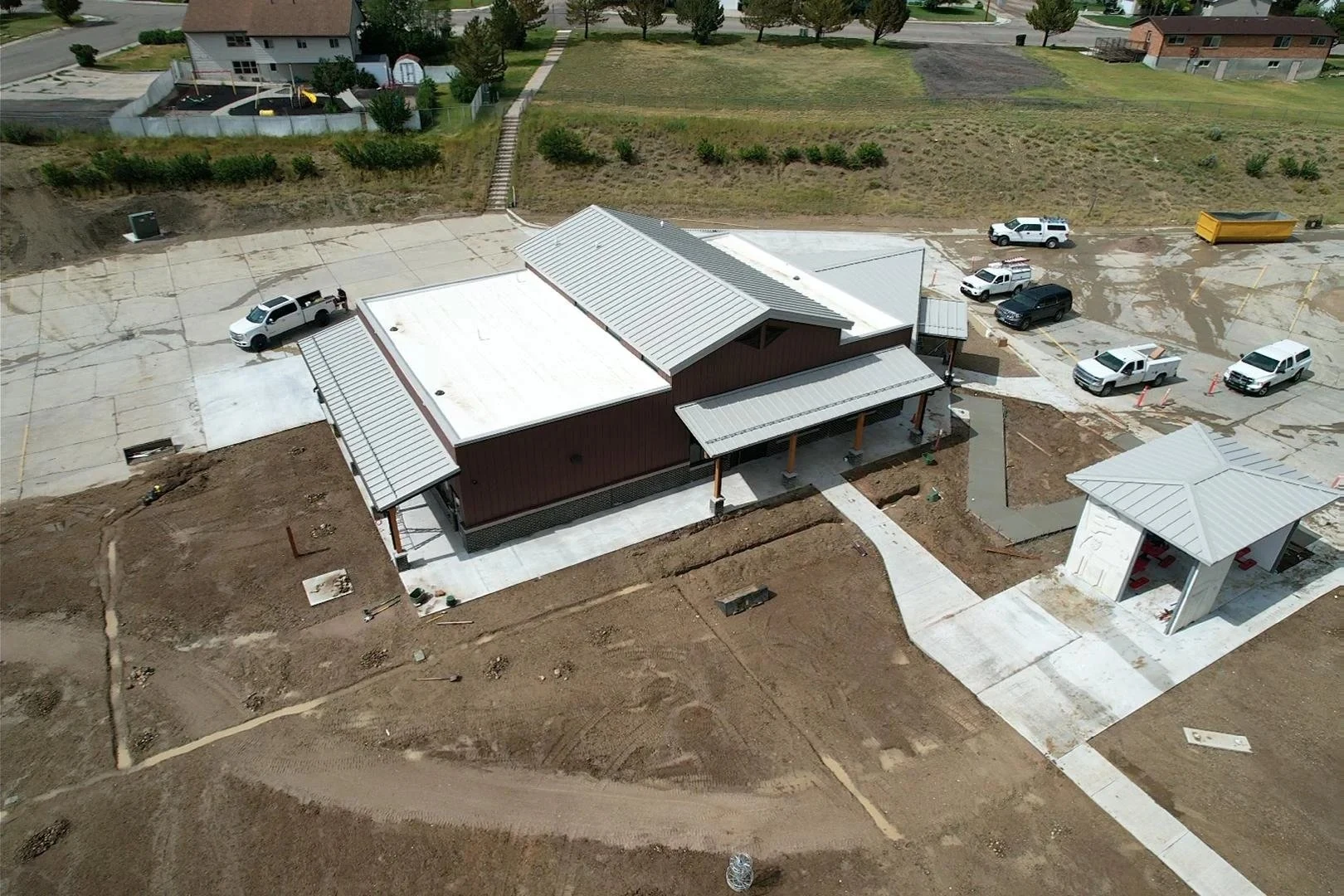
Industrial Flex Space Roofing in Appleton, WI
Multi-Tenant Flex Space Roofing on Fox Valley Redevelopment Sites
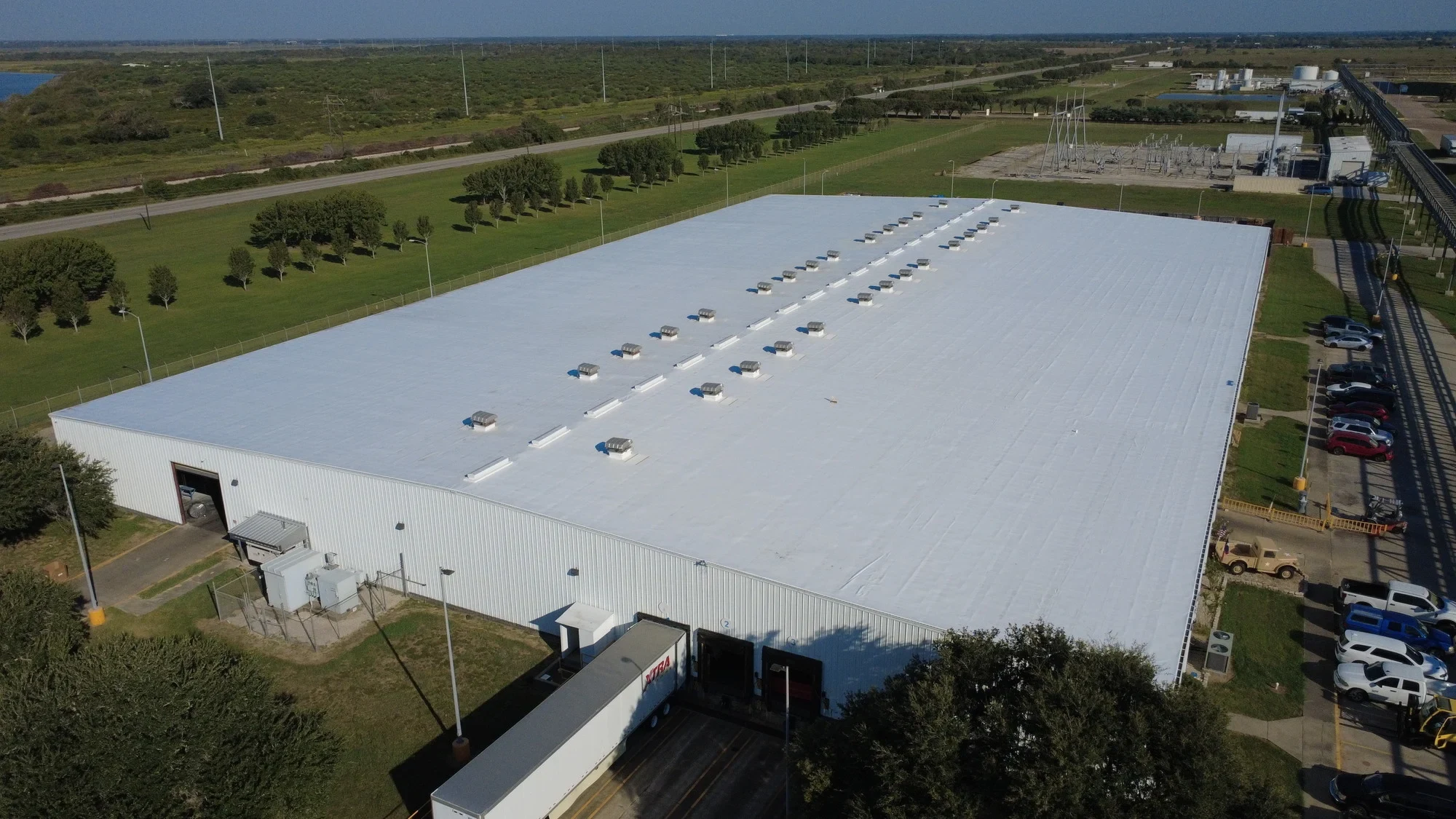
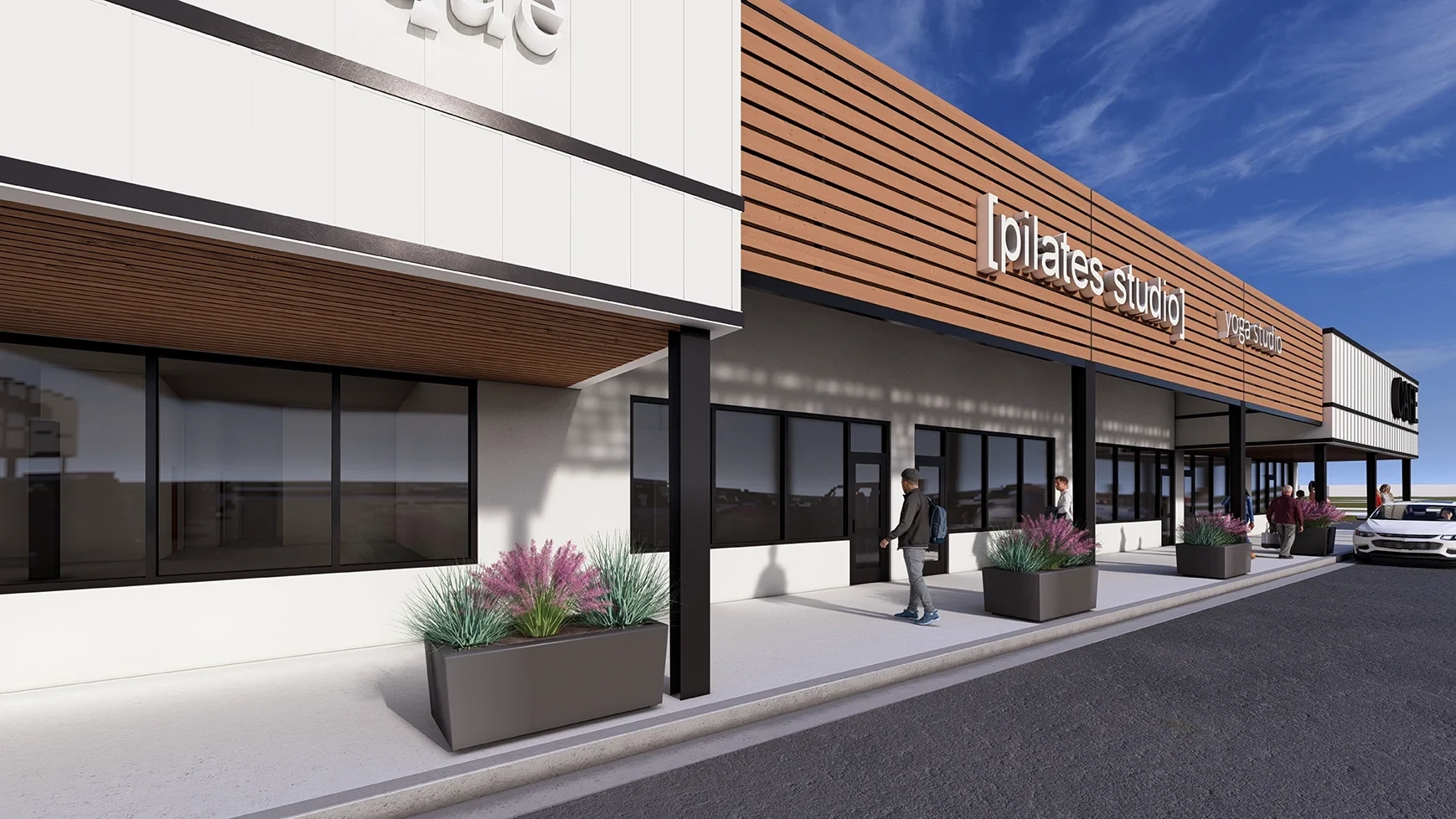
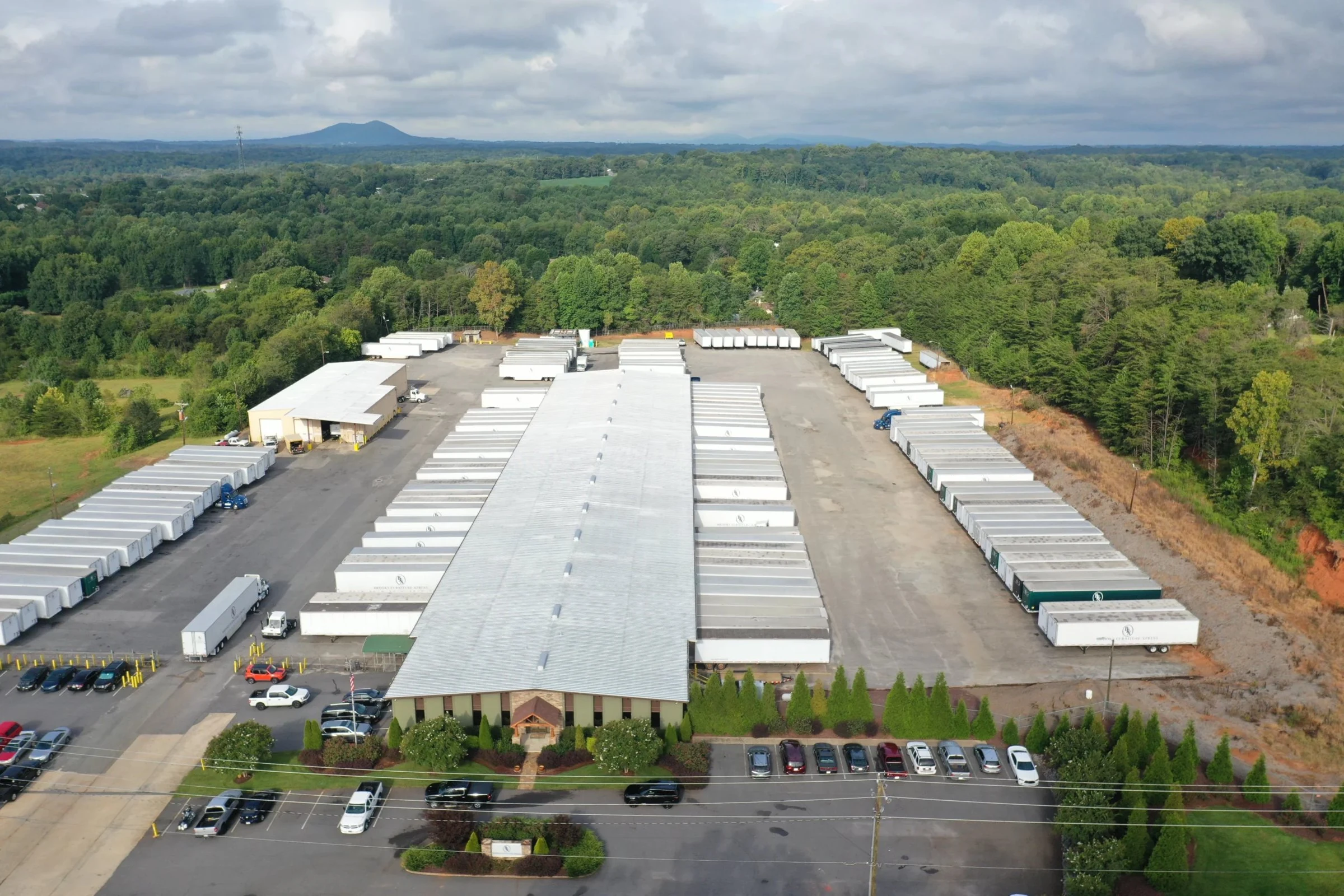
Flex buildings mixing light assembly, warehouse bays, and office suites under one roof have become the default new construction type in fast-growing communities like Harrison, and they define the redevelopment happening on the former Kimberly mill site. One membrane covers tenants with completely different rooftop equipment needs, and that creates roofing problems a single-tenant building doesn't have.
Multi-Tenant Buildings on Former Mill and Industrial Sites
Redevelopment around the Kimberly mill footprint and the Little Chute industrial park has brought a wave of flex construction built for subdivided occupancy from day one, sized so a single roof might serve four, six, or ten separate leased suites. That design intent matters for roofing because the original membrane, drainage, and insulation plan has to anticipate tenant turnover and rooftop additions the developer can't fully predict at construction.
We look at these roofs with that turnover in mind, building in extra drain capacity and clean, labeled zones for future rooftop equipment rather than designing tight to the day-one tenant mix and leaving no room for the next lease-up.
Coordinating Rooftop Penetrations Across Independent Tenants
The core problem on a flex roof is that each suite's tenant typically hires their own HVAC or exhaust contractor when they move in, and that contractor doesn't always know what's already on the roof or how the existing membrane was detailed. Over a few lease cycles, a flex building roof can end up with penetrations added by five different trades with five different levels of flashing quality.
We audit existing penetrations against the membrane manufacturer's detailing standard whenever we're brought in for a new tenant build-out or a general reroof, catching improperly flashed curbs before they become the leak that gets blamed on the wrong suite.
What We Typically Find on Flex Building Roofs
Multi-tenant flex roofs accumulate a distinct pattern of issues tied directly to their subdivided use:
- RTU curbs installed by different HVAC contractors over separate lease cycles
- Firewall parapets extending through the roof deck between suites
- Inconsistent flashing quality from penetration to penetration
- Walkway pads missing near equipment serviced only by one tenant's contractor
- Drain zones undersized for the current tenant mix versus original design
- Signage and antenna mounts added without coordination with the roofing warranty
Firewall Parapets and Drainage Between Suites
Code-required firewalls between flex suites usually extend up through the roof deck as a parapet, and that parapet creates a drainage break in the field. Water that would otherwise flow freely across a continuous roof has to be routed around each firewall parapet, which means more crickets and more transition flashing per square foot than a single-occupancy building of the same size would need.
We treat each firewall parapet as its own drainage zone, confirming that water on either side has a real path to a drain rather than pooling against the parapet base where two roof sections meet.
Matching Insulation and Structural Capacity to Mixed Occupancy
A flex building with warehouse bays on one end and finished office suites on the other often needs different insulation values across the roof, even though it's one continuous deck. Office suites carry tighter comfort and energy expectations than a warehouse bay used for light assembly or storage, and we spec insulation by occupancy zone rather than running one blanket R-value across the whole building.
Structural capacity matters too. Warehouse bays sometimes carry heavier rooftop equipment or storage-related loads than the original design anticipated as tenants change, and we check load capacity against any new rooftop addition before it goes in, not after.
Flex Space Roofing Questions From Fox Valley Property Owners
Why does one suite leak when the roof was just replaced?
Often a tenant-installed penetration, added after the reroof by a mechanical contractor unfamiliar with the membrane warranty requirements, wasn't flashed to the same standard as the base roof. We check every new penetration against manufacturer detailing before signing off on it.
Do firewall parapets need special roof detailing?
Yes. They break up continuous drainage across the roof and need their own crickets and flashing so water on both sides has a clear path to a drain instead of pooling at the base.
Can different suites have different roof warranties?
Usually not in practice, since one membrane typically covers the whole building. That's exactly why uncoordinated tenant penetrations are a bigger risk on flex buildings than on single-tenant properties.
How do you handle a new tenant's rooftop HVAC install?
We review the mechanical contractor's curb plan against the existing membrane and flash the new penetration to match, rather than letting an unrelated trade cut into the roof without oversight.
Does a warehouse-to-office mix change the insulation plan?
It can. Office suites generally need tighter insulation for comfort and energy code than a warehouse bay, so we zone the specification by occupancy rather than applying one value across the entire roof.
Related
Ready to review the roof scope?
Request a Roof AssessmentRoofing Flex Buildings With Different Tenant Needs
Industrial flex properties place offices, shops, storage, and light production under one roof, so a single leak can affect very different operations. We map tenant separations, rooftop equipment, utility penetrations, access points, and delivery areas before building the scope. Work zones are phased to protect active tenants and preserve loading access. Because flex roofs often change as suites are reconfigured, we also identify abandoned penetrations, old curbs, patch history, and traffic paths that do not appear on current plans. The closeout record gives the owner a roof-section map that supports future tenant work instead of adding another undocumented patch.