
Multi-Tenant Retail Strip Roofing in Appleton, WI
Strip Center Roofing Around the Fox River Mall and Highway 41 Retail Corridor
Retail development around the Fox River Mall in Grand Chute, along the Highway 41 corridor, and out toward smaller centers in Fox Crossing has grown in stages for decades, and the roofs over these centers show it. One property can carry three or four different roof ages and membrane types depending on when each section was built or last replaced, all under a single common area maintenance budget.
Anchor and Inline Roof Age Mismatches
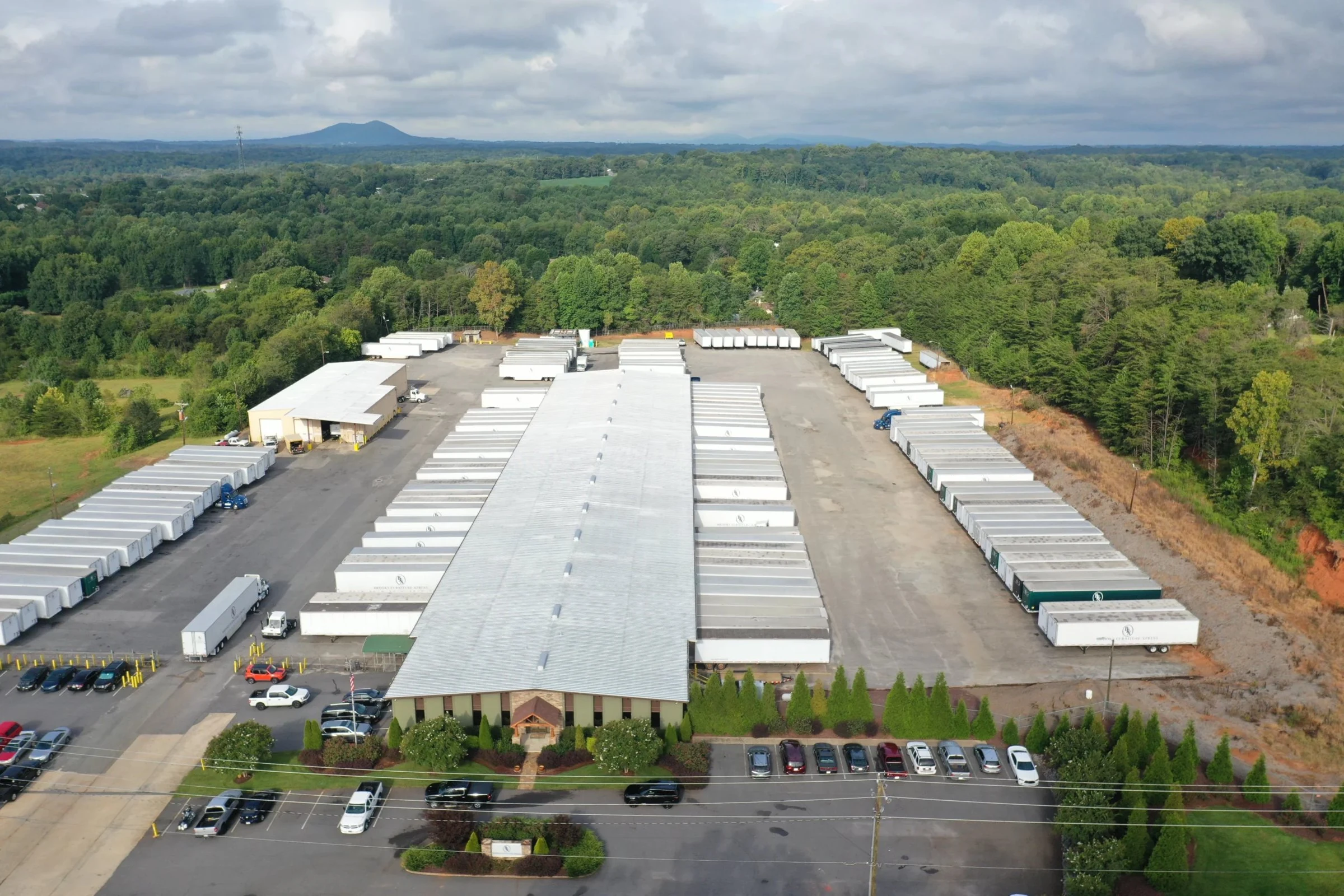
Big-box anchors typically go up first with their own roof system, and the inline shop space that fills in around them gets built or rebuilt in separate phases as leasing demand changes. That staged construction means a center's roof isn't really one roof, it's several roofs of different ages stitched together at expansion joints, and each section ages on its own timeline regardless of what the property's overall CAM budget assumes.
We inventory roof age and condition section by section on multi-phase retail properties rather than treating the whole roof as one asset, since a property manager budgeting for a single reroof often finds the anchor section still has a decade of life left while the inline shop roof needs attention now.
Restaurant Grease Exhaust on Strip Center Roofs
Any strip center with a food tenant, and most of them have at least one, carries a rooftop grease exhaust fan that puts the same membrane degradation pressure on a retail roof that a full food processing plant deals with, just at a smaller scale. Grease residue near a restaurant's exhaust discharge softens standard membrane over time and complicates seam integrity right at a spot where the roof already has to route drainage around a heavier-than-average curb.
We detail the zone around every restaurant exhaust fan with grease-resistant flashing regardless of what membrane covers the rest of the roof, and we check code-required clearance between that exhaust discharge and any neighboring tenant's fresh air intake before signing off on new penetrations.
Common Conditions on Fox Valley Strip Center Roofs
Multi-tenant retail roofs collect a specific pattern of wear and rooftop clutter tied to their leasing history:
- Restaurant grease exhaust fans requiring specialized flashing detail
- Individual tenant RTUs added independently across separate lease terms
- Expansion joints between original construction and later additions
- Monument and pylon sign electrical conduit penetrating the roof deck
- Storefront canopy tie-ins at the front parapet line
- Undocumented past patch repairs from prior ownership or management
CAM Billing and Roof Responsibility Between Landlord and Tenants
Retail leases typically split roof responsibility along a specific line: the landlord covers the structure and membrane, while tenants cover their own HVAC units sitting on top of it, and that split becomes a real dispute when a leak's cause is ambiguous between a failed curb flashing and a failed tenant-owned unit. Clear documentation at the time of any repair protects the property manager during CAM reconciliation and protects tenants from being billed for a landlord responsibility.
We document every repair with photos and a clear description of what failed and why, giving property managers a defensible record when a repair cost gets questioned during annual CAM true-up with tenants.
Signage and Storefront Parapet Penetrations
Retail centers depend on visible signage, and every channel letter sign, pylon structure, and illuminated storefront element that draws power from the roof means another conduit penetration through the membrane. These penetrations often get added or modified when a tenant changes and rebrands their storefront, sometimes without coordinating with whoever manages the roof's warranty.
We flash sign conduit penetrations to the same standard as any mechanical curb and keep records of sign-related roof penetrations specifically, since tenant turnover in retail happens more often than in most other commercial building types and the roof needs to keep up with it.
Retail Roofing Questions From Fox Valley Property Managers
Why does our center need different roof plans for different sections?
Because most multi-phase retail properties actually have several separate roof ages under one CAM budget. We assess each section independently instead of assuming one uniform roof condition.
How do you handle restaurant tenants' grease exhaust on a shared roof?
We install grease-resistant flashing around every restaurant exhaust discharge point regardless of the membrane elsewhere on the roof, and we confirm clearance from neighboring tenant air intakes.
Who's responsible for a leak near a tenant's rooftop unit?
It depends on whether the failure originated at the tenant-owned unit or at the landlord-owned curb and membrane around it. We document the specific failure point so responsibility is clear for lease purposes.
Does changing a storefront sign affect the roof?
It can, if new conduit penetrations aren't flashed correctly. We treat sign-related roof work with the same detailing standard as any mechanical penetration.
How do you support us during CAM reconciliation disputes?
We provide photo documentation and a clear description of cause for every repair, giving property managers a defensible record if a tenant questions a charge during annual reconciliation.
Related
Ready to review the roof scope?
Request a Roof AssessmentOne Roof, Several Tenant Operations
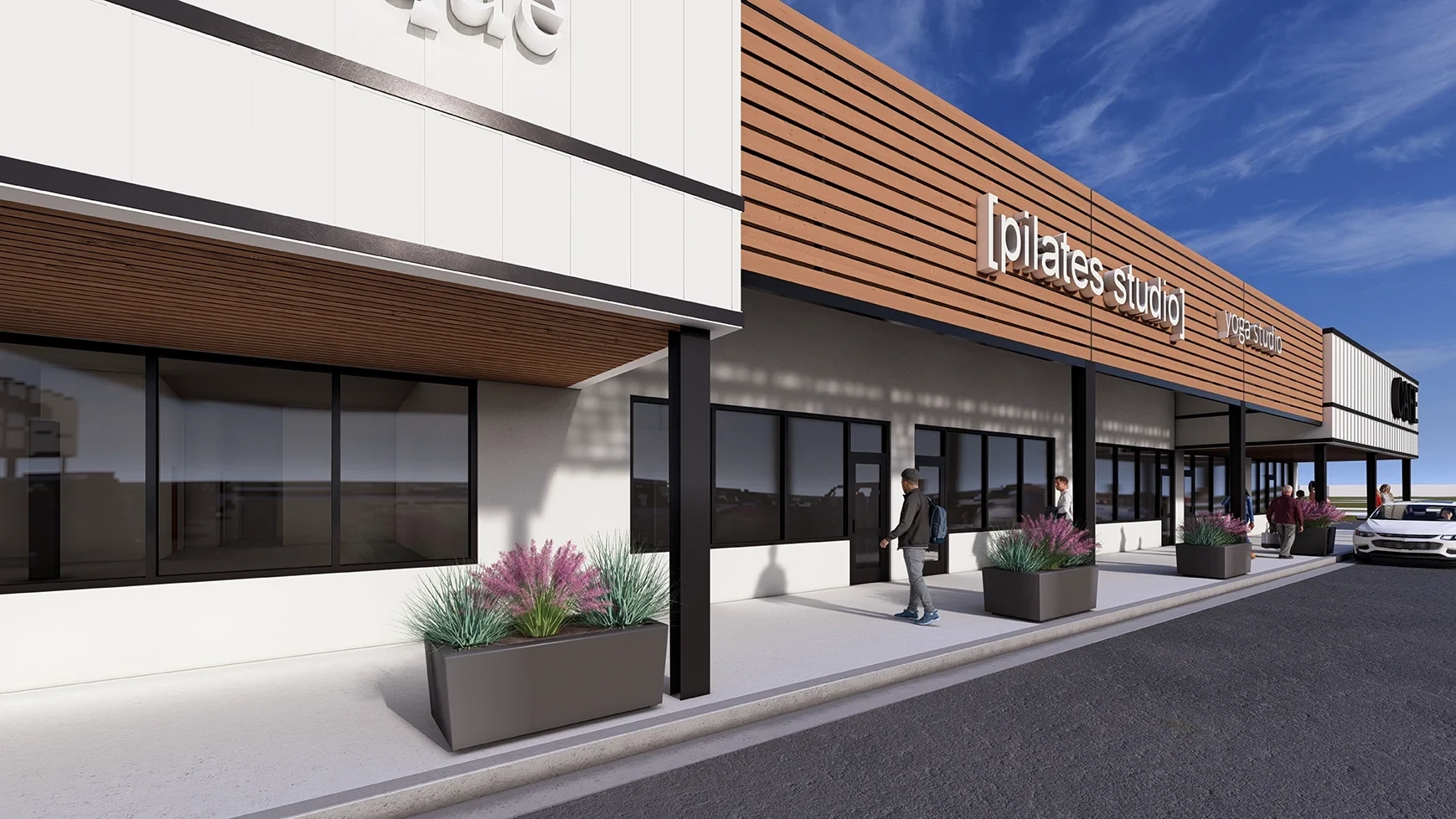
A retail strip roof crosses demising walls, individual HVAC units, signs, drains, and entrances serving businesses with different hours. We identify leak locations by suite and roof section, then trace the roof condition without assuming the interior stain sits directly below the entry point. Staging and pedestrian protection are planned around storefront access and deliveries. The scope also distinguishes shared roof obligations from tenant equipment details that may require separate coordination. Clear phasing and a photo-based closeout record help ownership communicate with every tenant and reduce confusion when a later service call occurs.