
Multifamily Apartment Roofing in Appleton, WI
Apartment Roof Systems for the Fox Valley's Fastest-Growing Suburbs
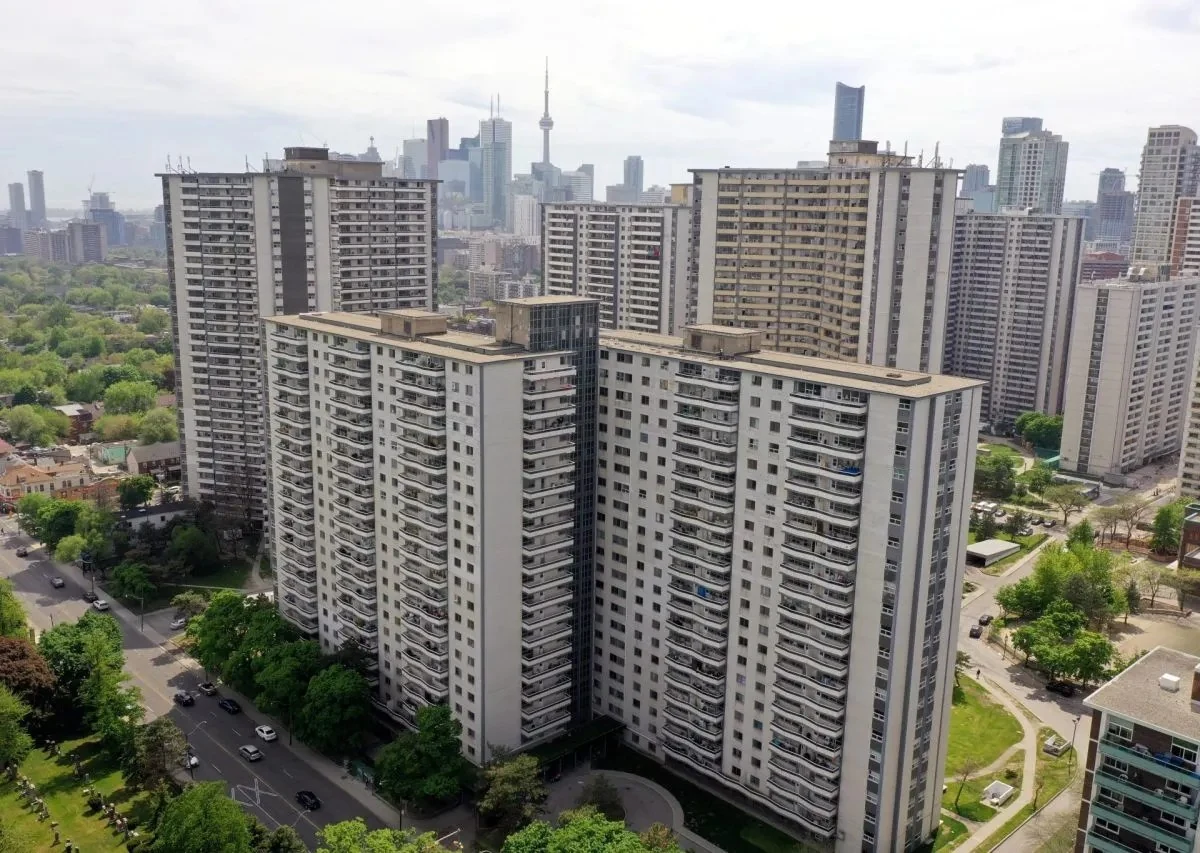
Garden-style apartment construction has picked up fast in Harrison, Darboy, and the newer subdivisions around Grand Chute, while older walk-up buildings near downtown Appleton and around Kimberly's redeveloped mill sites are aging into their second or third roof cycle. Both building types share the same exposure to Wisconsin freeze-thaw and wind, but the roof assemblies and the tenants living under them call for different handling.
Pitched Roofs Over Garden-Style Buildings in Harrison and Darboy
Most of the newer multifamily construction going up in Harrison and Darboy runs steep-slope asphalt shingle over conventional truss framing, the same product used on single-family homes but installed at a scale that covers a full building footprint with multiple roof planes, valleys, and dormered accents. Shingle wind rating matters more here than on a typical residential job, since open exposure on a newly developed site hasn't had thirty years of tree growth to break up wind before it hits the roof plane.
We check valley flashing and step flashing at dormers and roof-plane intersections closely on these buildings, since that's where a shingle roof on a large multi-unit structure fails first, well before the field shingles show wear. A leak at a valley on a garden-style building usually shows up in a top-floor unit's ceiling long before anyone climbs up to look at the roof itself.
Ice Damming and Ventilation Where Roof Meets Living Space
Unlike a warehouse or plant roof sitting over unconditioned space, an apartment roof sits directly over heated living space in every unit below it, which means heat loss through top-floor ceilings drives ice dam formation at the eaves every winter. Snow melts over the warmer field of the roof, refreezes at the colder overhang, and backs water up under the shingles at the exact point where most builders skimp on ice-and-water shield coverage.
We look at attic or truss-space ventilation as part of any apartment roof assessment, alongside the shingles themselves, because a roof that keeps failing at the eaves every winter usually has a ventilation or insulation problem underneath it rather than a shingle problem. Recover or replacement without addressing that root cause just resets the clock on the same ice dam pattern.
What We Find on Fox Valley Apartment Roof Inspections
Multifamily roofs across the region show a consistent set of problems, whether the property is a new build in Darboy or an older complex near downtown Appleton:
- Ice dam damage and shingle lift at eaves on north-facing roof planes
- Valley flashing failure at roof-plane intersections on multi-gable buildings
- Cracked or dried-out sealant around plumbing stack boots
- Ponding on flat breezeway and carport roof sections tied into pitched fields
- Granule loss and wind damage on southwest-facing shingle exposures
- Deteriorated flashing at party-wall parapets between attached units
Flat Roofs Over Corridors, Clubhouses, and Carports
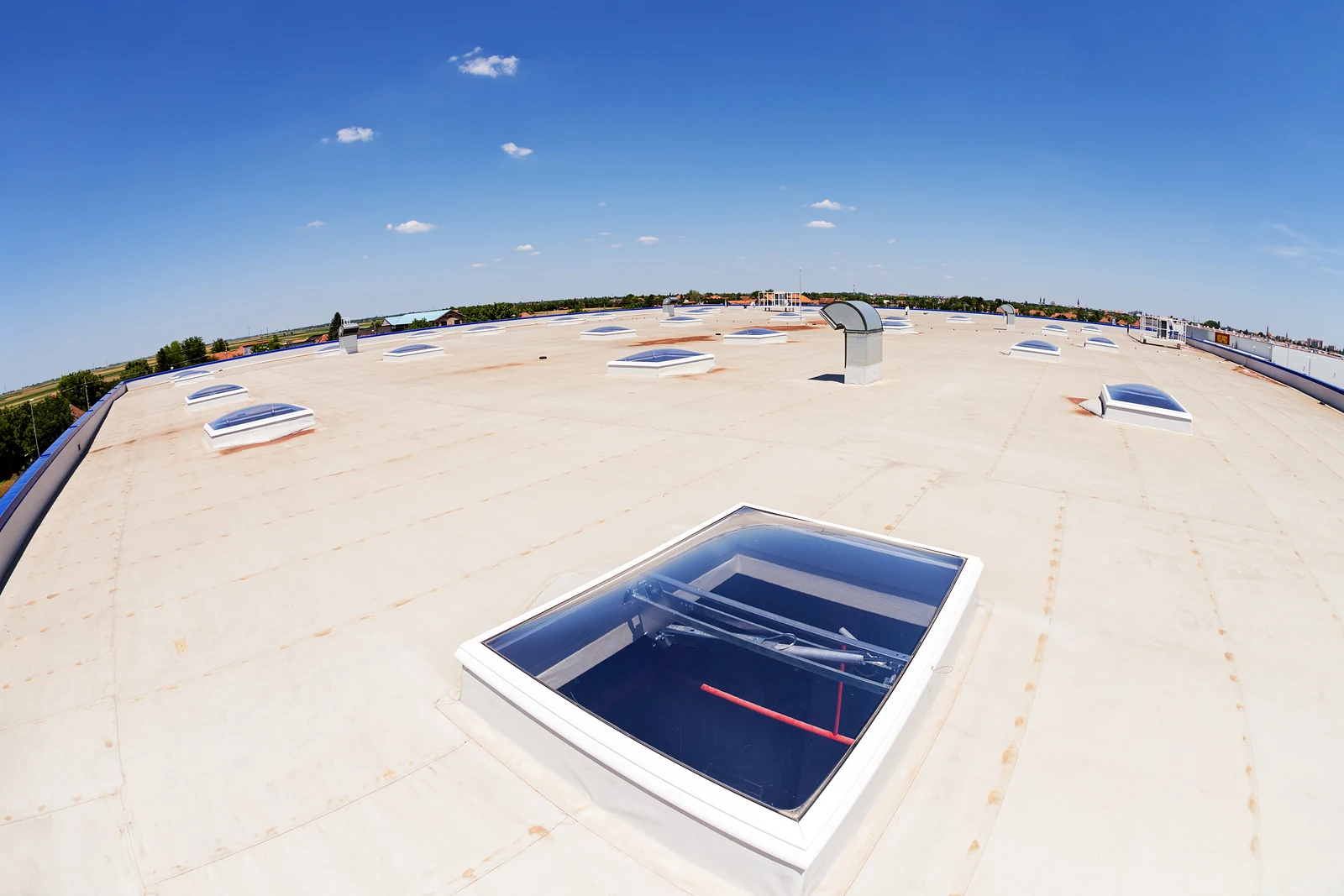
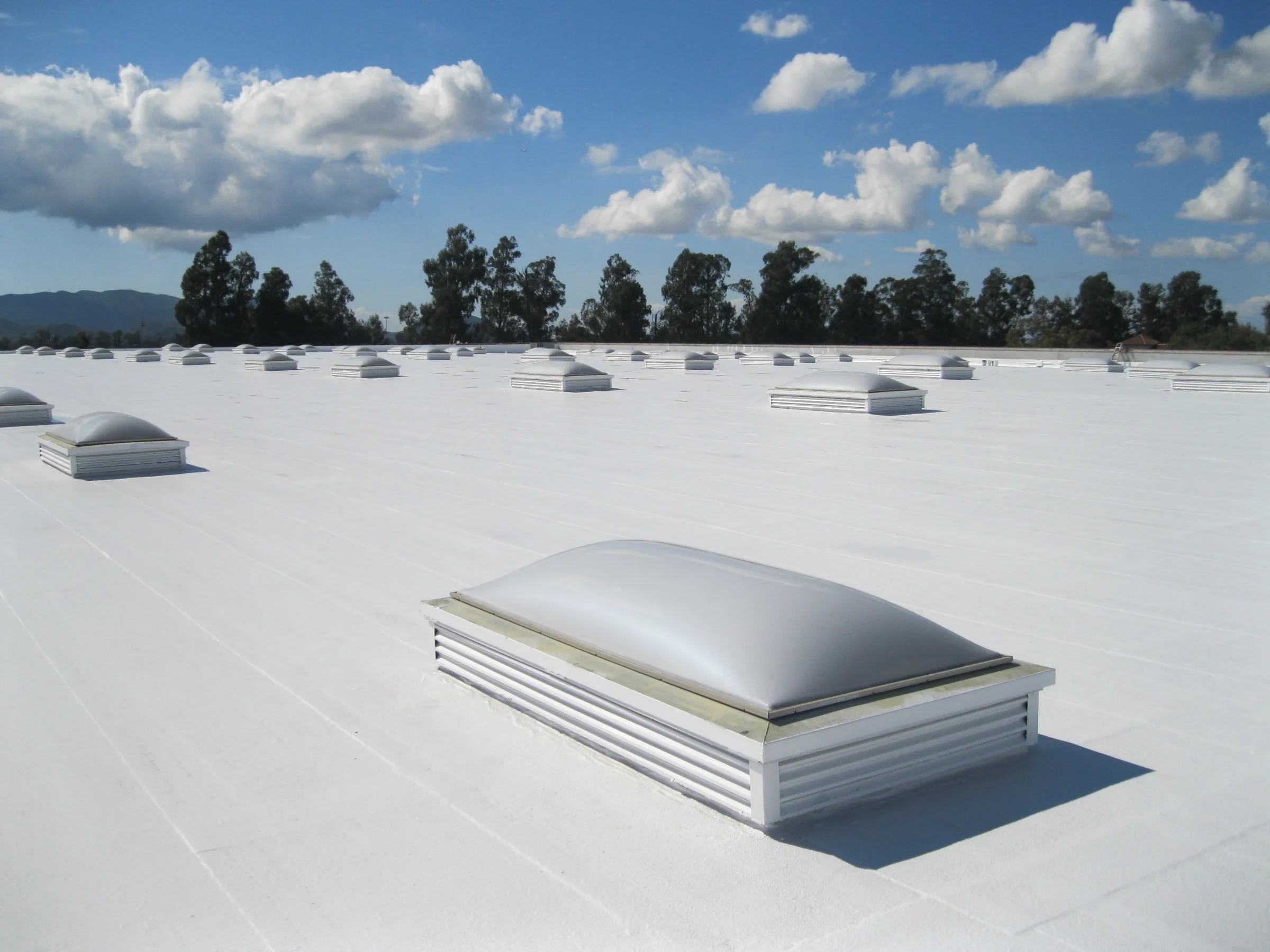
Larger apartment complexes almost always mix the pitched building roofs with flat, low-slope sections over connecting corridors, clubhouse and leasing office buildings, and attached carport structures. Those flat sections usually run EPDM or a modified bitumen cap sheet, and they take on a different set of problems than the shingle fields around them, mainly ponding water where a corridor roof was framed with too little slope to drain toward the connected building.
We treat the transition between a pitched building roof and an adjoining flat corridor roof as its own detail, since water shedding off the steep field has to be picked up and redirected by the flat section's drainage, and that handoff point is where most of the leaks on a mixed-roof property actually originate.
Working With Property Managers on Storm Damage and Insurance Documentation
Hail and straight-line wind events move through the Fox Valley most summers, and a multifamily property with dozens of separate roof planes takes that damage unevenly, with some buildings showing clear impact marks and others needing a closer look before damage is obvious. Property management companies and ownership groups need documentation that holds up through a claims process, not a verbal assessment.
We photograph and document damage building by building rather than treating a multi-building property as one claim, since insurers evaluate each structure on its own condition. Where a property is working with an adjuster, we provide the documentation support needed to keep that conversation grounded in what the roof actually shows, without promising a particular claim outcome before the review is complete.
Multifamily Roofing Questions From Fox Valley Property Owners
Do all the buildings on a property need the same roof system?
No. We evaluate each building on the property separately, since roof age, exposure, and prior repair history often vary building to building even on a property built in one phase.
Why does our roof keep leaking at the eaves every winter?
That pattern usually points to ice damming driven by heat loss through top-floor ceilings and insufficient attic ventilation, not a shingle defect. We look at ventilation and insulation as part of that fix, not the shingle field alone.
Can you replace one building's roof while tenants stay in their units?
Yes. Pitched roof replacement happens from the exterior and doesn't require access into occupied units except for brief interior checks after ice dam or leak damage.
Who handles the flat roof over our clubhouse or breezeway differently from the apartment buildings?
Those sections run different membrane systems than the pitched building roofs and drain differently, so we inspect and bid them as a separate scope rather than folding them into the shingle work.
How do you document storm damage across a multi-building property?
Building by building, with photos and notes tied to each structure's specific condition, since insurers review each roof on the property individually rather than as one combined claim.